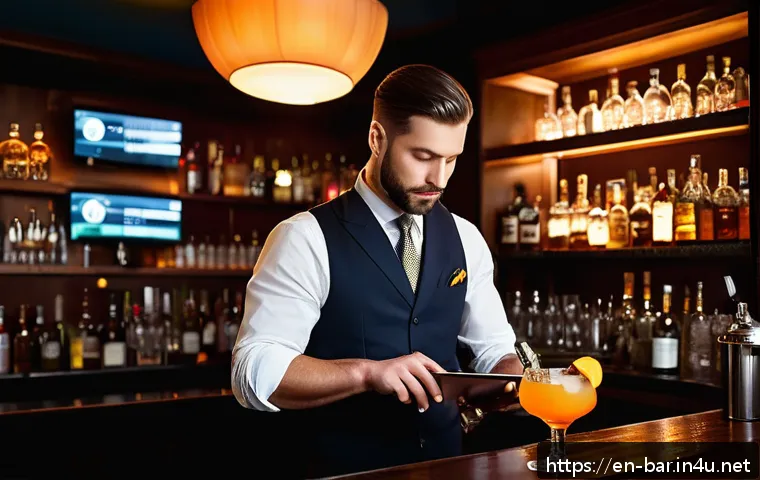
Building a global network as a bartender goes far beyond just mixing drinks—it’s about connecting with diverse cultures, sharing unique experiences, and growing professionally on an international scale.
Whether you’re working in a bustling city bar or a luxury resort, the relationships you form can open doors to exciting opportunities worldwide. I’ve personally seen how these connections not only enhance skills but also create a sense of community that transcends borders.
In today’s fast-paced hospitality scene, cultivating a strong global network is more valuable than ever. Let’s dive deeper and explore how you can make this happen effectively!
Embracing Cultural Diversity Behind the Bar
Learning from Different Traditions
Working in various countries exposes bartenders to a fascinating array of customs and drinking rituals. For instance, pouring a perfectly balanced Pisco Sour in Peru demands understanding the local palate and the significance of ingredients like fresh lime and egg whites.
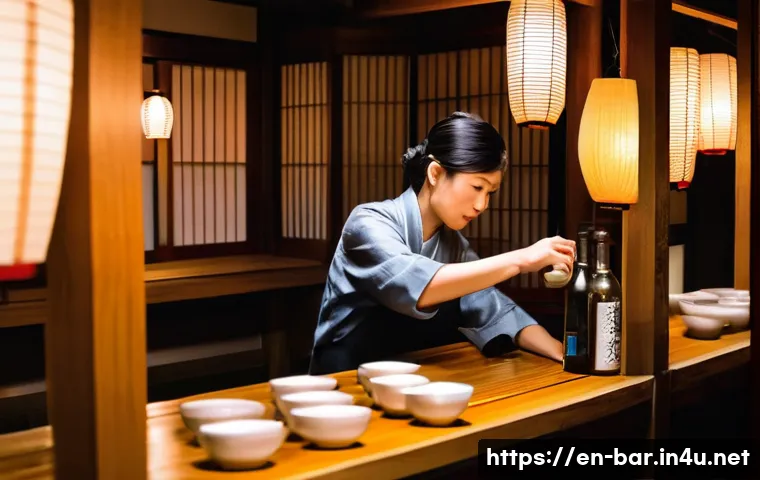
Experiencing these traditions firsthand not only broadens your drink-making skills but also deepens your appreciation for cultural nuances. I remember a stint in Japan where the art of sake pouring was less about speed and more about respect—an entirely different rhythm that taught me patience and attentiveness.
This kind of cultural immersion naturally builds meaningful connections with both colleagues and patrons.
Adapting Communication Styles
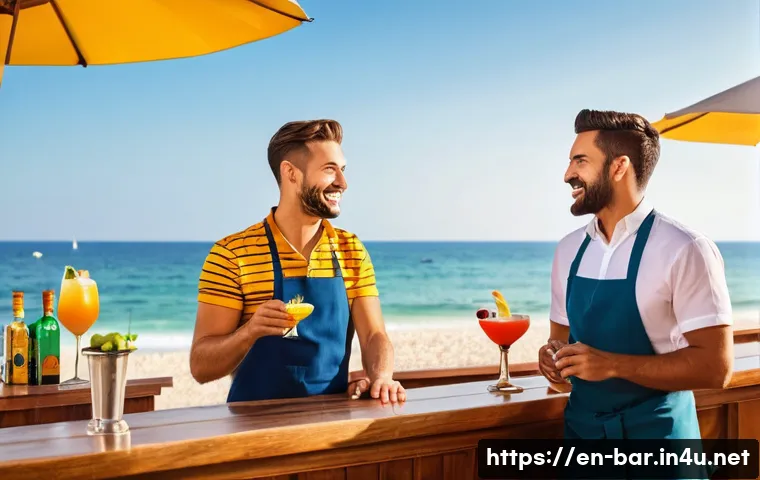
A crucial part of networking globally is mastering how to communicate effectively across language and cultural barriers. When I worked in a Mediterranean beach bar, I quickly learned that direct eye contact and a warm smile could overcome language gaps more than any spoken word.
Understanding subtle cues—like when to be formal versus casual—can make or break relationships. It’s not just about speaking the language but tuning into social vibes and respecting local etiquette.
These skills have made me more approachable and trustworthy, which is essential for building a lasting network.
Celebrating Festivals and Local Events
Participating in local celebrations is an excellent way to bond with the community and fellow bartenders. I’ve found that joining in on national holidays or regional festivals often leads to spontaneous collaborations and friendships.
For example, working during Oktoberfest in Germany introduced me to countless industry professionals and gave me a front-row seat to how culture shapes hospitality.
These shared experiences create stories that connect people beyond the professional sphere, fostering a sense of camaraderie that transcends borders.
Leveraging Technology to Expand Your Reach
Social Media as a Networking Tool
In today’s digital age, platforms like Instagram and LinkedIn have become indispensable for bartenders aiming to build a global presence. Sharing creative cocktail recipes or behind-the-scenes moments can attract followers and potential collaborators worldwide.
Personally, posting videos of unique drink presentations helped me connect with bartenders from Europe to Australia, sparking conversations that led to guest shifts and invitations.
Consistency and authenticity are key; people want to see the real you, not just polished promotional content.
Online Communities and Forums
Joining industry-specific forums or Facebook groups can be a game-changer. These spaces provide a wealth of knowledge and networking opportunities. I often browse threads where bartenders discuss trends, equipment, and job openings.
Engaging actively by asking questions or offering advice not only builds credibility but also creates a sense of belonging. Over time, these virtual relationships often translate into in-person meetups or job referrals, proving that even online connections can be incredibly valuable.
Virtual Workshops and Masterclasses
With the rise of virtual learning, bartenders can now attend workshops hosted by global experts without leaving home. I’ve participated in mixology masterclasses conducted by renowned bartenders in London and New York, which not only improved my craft but also expanded my professional network.
These sessions often include Q&A segments and breakout rooms, encouraging interaction and networking. Making the effort to engage during these events can lead to collaborations and mentorships that might otherwise be inaccessible.
Building Long-Term Professional Relationships
Maintaining Contact After Moving On
One of the biggest challenges in the bartending world is staying connected once you leave a venue or city. I make it a point to exchange contact details and follow up with new acquaintances regularly.
Sending a quick message about industry news or simply checking in can keep the relationship alive. This ongoing effort often results in recommendations, job leads, or even partnerships down the line.
It’s about nurturing connections, not just collecting contacts.
Collaborating on Projects and Events
Collaborations are a fantastic way to deepen professional ties. For example, organizing pop-up bars or charity events with fellow bartenders can showcase your skills and expand your network simultaneously.
I once teamed up with bartenders from different countries for a virtual cocktail competition, which was both fun and professionally rewarding. These joint ventures create shared goals and experiences that bond people far more effectively than casual encounters.
Offering and Seeking Mentorship
Mentorship plays a crucial role in career growth and network building. I’ve benefited greatly from mentors who introduced me to their networks and provided guidance during challenging times.
At the same time, mentoring newer bartenders has been equally rewarding, opening doors to fresh perspectives and connections. This reciprocal relationship strengthens the community and ensures that knowledge and opportunities flow freely across borders.
Understanding the Business Side of Global Networking
Recognizing International Industry Trends
Staying informed about global trends helps bartenders remain relevant and competitive. I subscribe to international hospitality magazines and attend trade shows whenever possible.
For example, the growing popularity of sustainable spirits and zero-waste cocktails is a trend I noticed first-hand in Scandinavian bars and quickly incorporated into my repertoire.

Being ahead of trends not only impresses employers but also attracts a network of like-minded professionals.
Negotiating Work Permits and Contracts
Navigating legal and contractual aspects is essential when building a global career. I’ve learned that understanding visa requirements and employment laws in different countries saves a lot of headaches.
Sometimes networking leads to job offers abroad, but without proper paperwork, opportunities can slip away. Seeking advice from experienced colleagues or legal experts ensures you’re prepared to make the move smoothly.
Managing Finances Across Borders
Working internationally means dealing with multiple currencies, tax systems, and banking setups. I’ve faced challenges like fluctuating exchange rates and differing tipping cultures, which affect income stability.
Setting up international bank accounts or using apps designed for travelers can ease these issues. Being financially savvy and transparent with employers about payment preferences strengthens trust and prevents misunderstandings.
Creating a Personal Brand that Resonates Worldwide
Showcasing Unique Strengths and Stories
Your personal brand is what sets you apart in a crowded global market. I’ve found that sharing stories about my journey—like learning classic cocktails in a Parisian bar or crafting tropical drinks in the Caribbean—makes me memorable.
Highlighting what makes your style unique, whether it’s flair bartending or a deep knowledge of craft spirits, attracts people who appreciate your expertise and personality.
Consistent Presentation Across Platforms
Maintaining a cohesive image on social media, resumes, and portfolios helps build recognition. I use similar photos, logos, and tone of voice across all channels to reinforce my brand identity.
This consistency builds trust and makes it easier for potential employers or collaborators to find and remember you. It also reflects professionalism, which is crucial in hospitality.
Gathering and Sharing Testimonials
Positive feedback from colleagues, managers, and customers is powerful social proof. I regularly ask for testimonials after guest shifts or events and share them on my profiles.
These endorsements not only boost credibility but also showcase your ability to work well with others and deliver exceptional service. Authentic testimonials often open doors to new opportunities.
Maximizing Networking Opportunities on the Job
Engaging with Guests Authentically
Every interaction with a guest is a chance to build rapport and leave a lasting impression. I’ve found that genuine curiosity about their backgrounds or travel stories often sparks meaningful conversations.
These moments can lead to referrals or invitations to new venues abroad. Authentic engagement is more effective than scripted small talk and helps establish a personal connection.
Collaborating with Colleagues Across Shifts
Building a supportive work environment with fellow bartenders and staff enhances teamwork and networking. Sharing tips, helping during busy hours, or swapping shift stories creates bonds that extend beyond the workplace.
These relationships often lead to recommendations and introductions in other cities or countries.
Participating in Industry Events and Competitions
Events like cocktail competitions, tastings, and trade fairs are prime networking grounds. I’ve met some of my closest professional contacts at such gatherings, where shared passion and friendly rivalry spark connections.
Even attending as a spectator can be valuable for learning and mingling. Being proactive and approachable at these events pays off in the long run.
| Networking Strategy | Benefits | Example |
|---|---|---|
| Embracing Cultural Diversity | Enhances skills and builds deep connections | Learning sake pouring etiquette in Japan |
| Leveraging Technology | Expands reach beyond physical locations | Instagram videos leading to guest shifts worldwide |
| Maintaining Long-Term Relationships | Secures future opportunities and collaborations | Regular follow-ups after changing jobs |
| Understanding Business Aspects | Ensures smooth international transitions | Researching visa requirements before job acceptance |
| Creating Personal Brand | Builds recognition and trust globally | Consistent social media presence showcasing unique style |
| Maximizing On-Job Networking | Leads to referrals and professional growth | Participating in cocktail competitions and industry events |
In Conclusion
Building a global bartending network is a rewarding journey that blends cultural learning, technology, and genuine relationships. Embracing diversity and staying adaptable open doors to unique experiences and career growth. By nurturing connections and honing your personal brand, you set yourself up for lasting success in this dynamic industry.
Useful Tips to Remember
1. Always be curious and open to learning local customs—it enriches your skills and shows respect.
2. Use social media strategically to share your authentic self and connect with industry peers worldwide.
3. Keep in touch with past colleagues and contacts to maintain valuable professional relationships.
4. Stay informed about international regulations and business practices to avoid pitfalls.
5. Participate actively in events and collaborations to expand your network and gain visibility.
Key Takeaways
Successful global networking in bartending requires a balance of cultural sensitivity, technological savvy, and consistent relationship-building efforts. Prioritize authentic communication and continuous learning while managing the practical aspects like visas and finances carefully. Developing a strong personal brand and engaging meaningfully on the job will help you stand out and create opportunities across borders.
Frequently Asked Questions (FAQ) 📖
Q: How can bartenders start building a global network if they’re new to the industry?
A: Starting out, it’s all about being open and approachable. I found that attending industry events, workshops, and even online forums tailored for bartenders can be a game-changer.
Don’t hesitate to introduce yourself to colleagues, share your passion, and ask questions. Volunteering at bartending competitions or trade shows also helps you meet professionals from different countries.
Remember, genuine curiosity and a willingness to learn go a long way in forming meaningful connections early on.
Q: What are some effective ways to maintain relationships with bartenders and industry professionals worldwide?
A: Staying connected consistently is key. I personally use social media platforms like Instagram and LinkedIn to share my work and keep up with others’ journeys.
Sending occasional messages to check in or sharing industry news can keep the bond alive without feeling forced. When possible, meeting up during travels or industry events deepens these relationships.
Also, exchanging recipes or collaborating on projects online creates a shared sense of purpose that strengthens ties beyond borders.
Q: How does having a global network benefit a bartender’s career growth?
A: From my experience, a global network opens doors to opportunities you might never have imagined. For instance, I’ve been offered gigs abroad and exclusive training sessions simply because of connections I made years ago.
It also exposes you to diverse bartending styles and trends, which sharpens your skills and creativity. Beyond career perks, it cultivates a supportive community that helps you navigate challenges and celebrate successes, making the journey as rewarding as the destination.