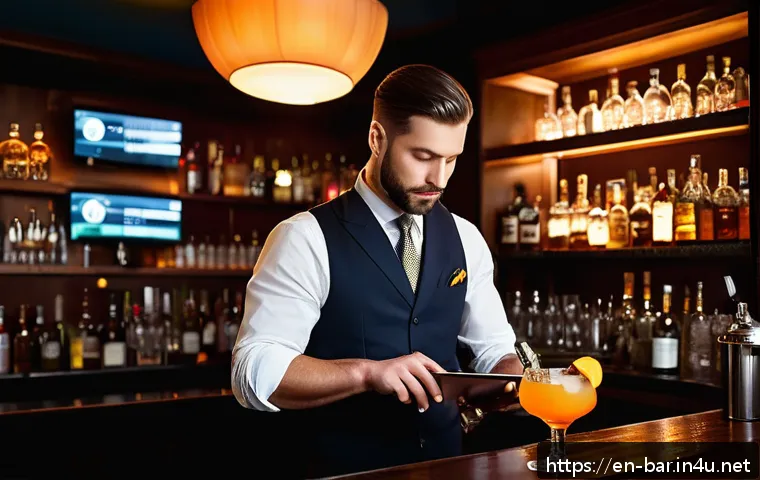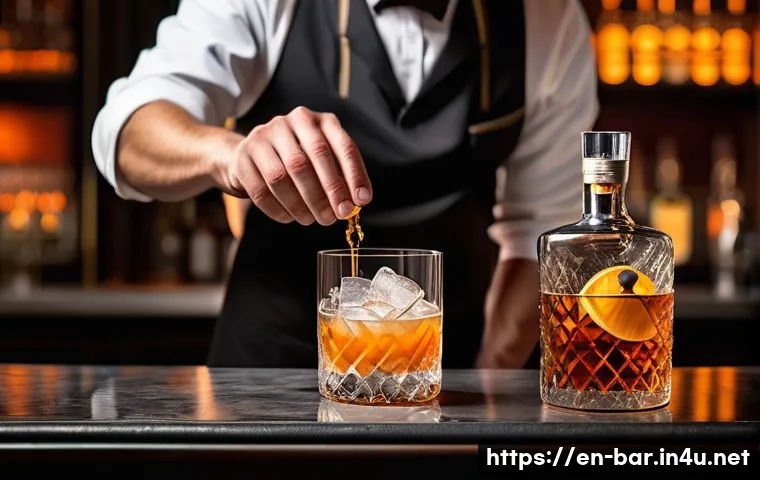
Working behind the bar is more than just mixing drinks; it’s an art of creating memorable experiences. From mastering cocktail techniques to managing a bustling crowd, bartenders juggle a variety of tasks that demand skill and creativity.
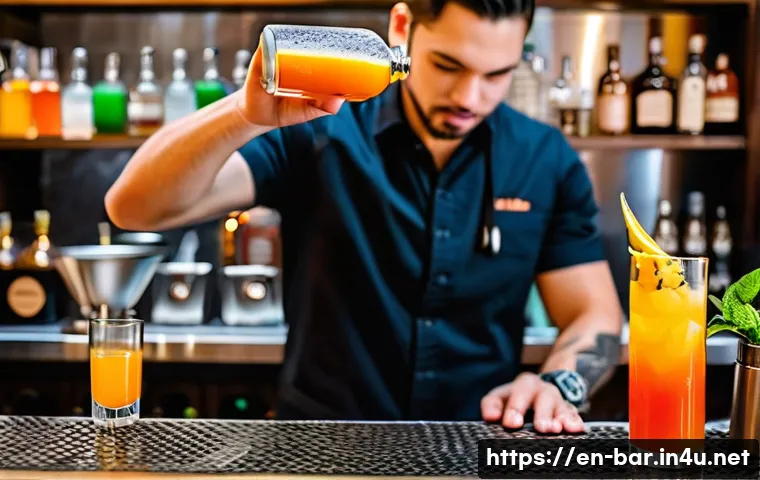
Whether you’re curious about the day-to-day challenges or the secrets to delivering exceptional service, understanding these nuances can elevate your appreciation for the craft.
Having spent time in different bar settings, I’ve seen firsthand how every shift brings new lessons and stories. Let’s dive into the fascinating world of bartending and uncover what truly goes into the job!
I’ll break it down clearly for you.
Mastering the Craft: Techniques That Make a Difference
Perfecting Classic Cocktails
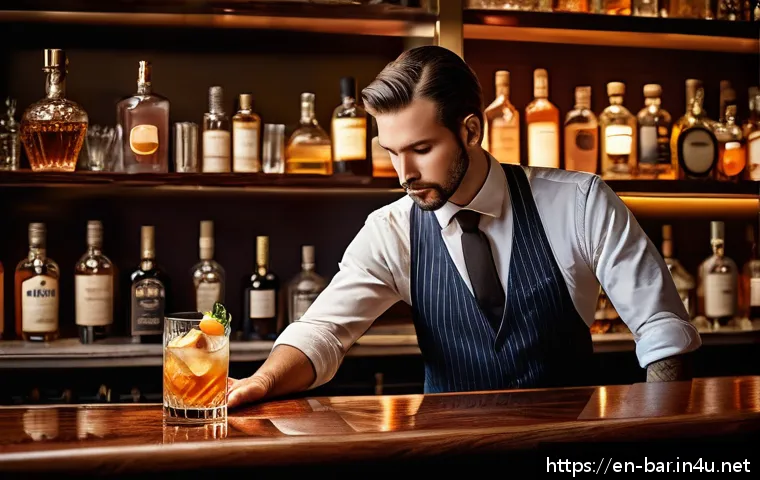
One thing I’ve learned behind the bar is that classic cocktails never go out of style, but nailing them requires more than just following a recipe. Take an Old Fashioned, for example—it’s all about balance.
The muddling of sugar and bitters, the right amount of ice, and the precise pour of bourbon each play a role. When I first started, I underestimated how much the temperature of the glass and the dilution from ice affected the final taste.
Over time, I’ve realized that these small details, like gently stirring instead of shaking, can turn a good drink into an unforgettable one. It’s a subtle art that bartenders refine with every shift.
Innovating with Flair and Presentation
Beyond the classics, creativity is where bartending really shines. I remember experimenting with infusions and homemade syrups, which customers always appreciated because it gave them something unique.
Presentation also matters a lot; garnishes like a twist of orange peel or a carefully placed mint sprig don’t just look good—they release aromas that enhance the drinking experience.
Learning to read the vibe of the crowd and tailoring drinks on the fly has been a game-changer. When you combine technique with creativity, customers notice, and it often leads to repeat business.
Speed vs. Quality: Finding the Sweet Spot
Balancing speed and quality is a challenge that every bartender faces, especially during busy nights. Early on, I used to rush, thinking faster meant better service, but that often led to sloppy pours or missed details.
Now, I’ve learned to prioritize efficiency without sacrificing the integrity of the drink. For instance, prepping garnishes and batching certain elements before the rush hits helps maintain pace.
It’s like a dance—anticipating needs, moving with purpose, and delivering consistently. Customers might not always see the effort behind the scenes, but they definitely taste it.
Managing the Crowd: Communication and Multitasking Skills
Reading the Room and Adjusting Your Approach
Every bar has its unique rhythm, and part of bartending is tuning into that energy. Sometimes, the crowd is lively and chatty, craving conversation and recommendations.
Other times, people want to unwind quietly, so you adjust by keeping interactions brief but friendly. Early in my career, I struggled with this balance—I either talked too much or came off as cold.
Experience taught me to read body language and tone, which helps tailor the service. This skill not only improves customer satisfaction but also reduces stress during peak hours.
Handling Multiple Orders Without Losing Focus
Picture this: five customers order different cocktails simultaneously, while two others need beer refills, and a group asks for food recommendations. It sounds chaotic, but with practice, I’ve developed a mental checklist and a system to prioritize.
Writing down orders quickly, grouping similar drinks, and communicating clearly with support staff are key. It’s not just about speed but accuracy—one wrong ingredient can ruin the experience.
Multitasking like this sharpens your focus and keeps the whole operation running smoothly.
Dealing with Difficult Situations Gracefully
Not every interaction behind the bar is smooth sailing. Handling intoxicated customers, disputes, or complaints requires patience and tact. I remember one night when a guest was upset about a drink’s taste and started raising their voice.
Staying calm, listening actively, and offering a replacement or alternative helped defuse the situation. Sometimes, just feeling heard changes the dynamic.
Over time, I’ve learned that empathy and clear communication are as important as cocktail skills. These moments test your professionalism but also build trust and respect.
Behind the Scenes: Preparation and Maintenance
Stocking and Organizing for Efficiency
Preparation is the unsung hero of bartending. Setting up the bar before service starts saves countless headaches later. I make sure everything—from spirits and mixers to glassware and garnishes—is well-stocked and arranged logically.
This organization speeds up workflow and reduces errors. For example, placing frequently used bottles within arm’s reach and grouping similar items together prevents frantic searching.
After a few shifts, I realized that a tidy, well-prepped bar creates a better experience not only for customers but also for the bartenders themselves.
Cleaning as You Go to Maintain Flow
Cleaning might sound mundane, but it’s crucial to keep the bar running smoothly and safely. I’ve found that washing glassware during lulls and wiping down surfaces throughout the shift prevents pile-ups.
It also creates a welcoming environment, which customers notice subconsciously. Neglecting this leads to chaos by the end of the night, slowing everyone down.
Staying on top of cleanliness feels like a small task, but it’s actually a pillar of professional bartending.
Inventory Management and Waste Reduction
Keeping track of inventory is more than just counting bottles. Over time, I’ve learned to spot patterns in usage and adjust orders accordingly, which saves money and reduces waste.
For instance, if a particular liquor isn’t popular, it’s better to swap it out rather than let it expire. I also pay attention to how much mixer or garnish goes unused and tweak preparation quantities.
This kind of mindful management helps the bar stay profitable and sustainable, which benefits everyone.
The Social Side: Building Connections with Guests
Creating a Welcoming Atmosphere
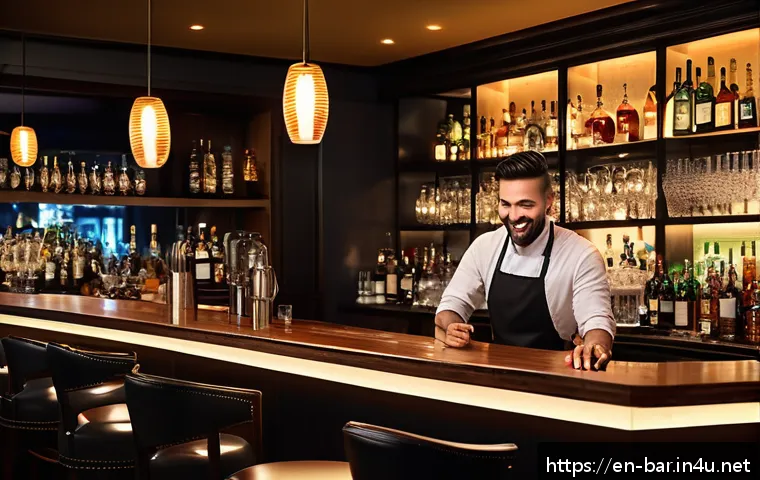
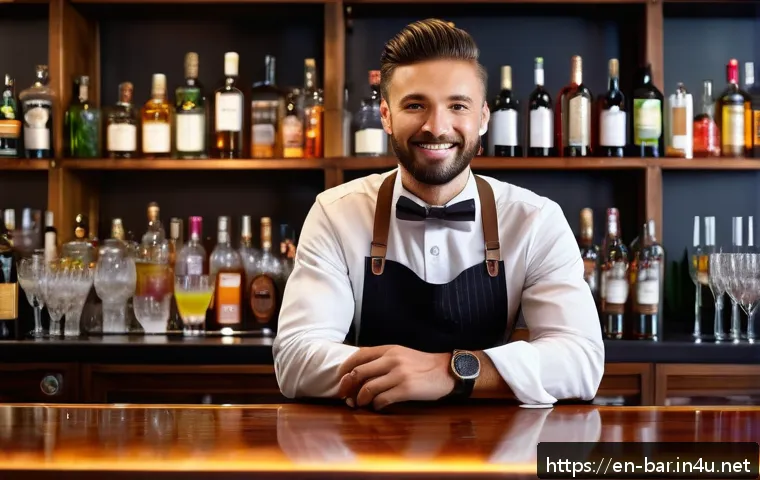
One of the most rewarding parts of bartending is connecting with guests. From my experience, a warm greeting and genuine smile set the tone for the entire visit.
People often come to bars not just for drinks but for social interaction. Remembering regulars’ names and favorite drinks makes them feel valued. Even small talk about their day or weekend plans builds rapport.
This personal touch encourages loyalty and often turns casual visitors into regulars, which is gold for any bar.
Recommending Drinks Based on Preferences
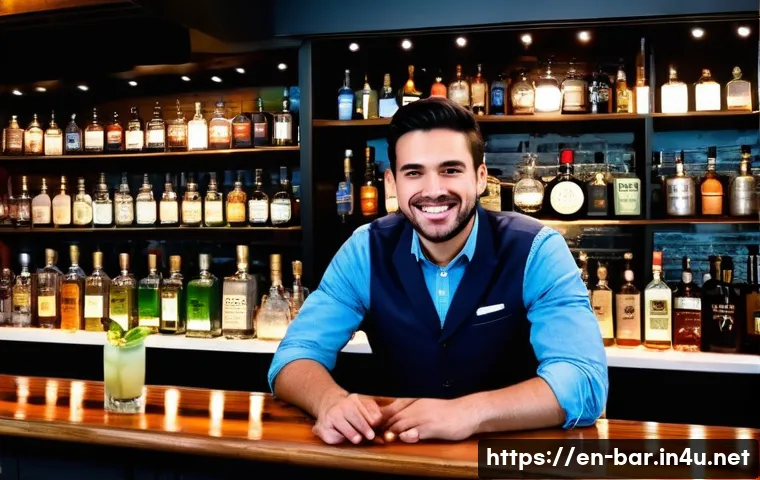
Not everyone knows what they want, and that’s where your expertise shines. I enjoy asking a few simple questions about flavor preferences—sweet, sour, strong, or light—and then suggesting drinks accordingly.
It’s like being a guide on a flavor journey. Over time, I’ve noticed that these personalized recommendations often lead to happy customers who are eager to try something new.
It’s a subtle way to showcase knowledge and enhance the overall experience.
Handling Tips and Gratitude
Tips are a tangible way customers show appreciation, but they’re also a reflection of the relationship you build. I’ve found that being attentive, friendly, and efficient naturally leads to better tips.
Sometimes, just a sincere thank-you or remembering a customer’s name can make a big difference. It’s not about being pushy but about delivering consistent quality and kindness.
Over the years, I’ve seen how this positive exchange motivates me to keep improving and makes the job more enjoyable.
Balancing Physical and Mental Demands
Staying Energized During Long Shifts
Working behind the bar means being on your feet for hours, often in a fast-paced environment. I used to underestimate how exhausting it could be until I started experiencing backaches and fatigue.
Now, I prioritize hydration, quick snacks, and comfortable shoes. Taking brief moments to stretch between orders also helps. It’s surprising how small adjustments in self-care can impact energy levels and focus, allowing me to stay sharp and friendly throughout the night.
Managing Stress and Staying Positive
Busy shifts come with high stress—long lines, demanding customers, and tight schedules can wear you down. Early on, I sometimes felt overwhelmed and frustrated, but I learned the value of maintaining a positive mindset.
Deep breaths, a sense of humor, and teamwork go a long way. Sharing a laugh with coworkers or celebrating small wins keeps morale up. I’ve found that the more you embrace the chaos with a calm attitude, the better your performance and overall experience.
Learning and Growing from Every Shift
Bartending is a constant learning process. Each night offers new challenges and opportunities to refine skills. Whether it’s perfecting a tricky cocktail, improving speed, or handling a difficult guest, these experiences build confidence and expertise.
I keep a mental note of what worked and what didn’t, which helps me adapt quickly. This growth mindset keeps the job exciting and rewarding, making every shift feel like a step forward in the craft.
Essential Tools and Ingredients for Efficiency
Choosing the Right Bar Tools
Having the right tools at your fingertips can make or break your service quality. From my experience, investing in durable shakers, strainers, and jiggers pays off in the long run.
For example, a well-weighted shaker feels better in your hand and allows for more consistent shaking. I also keep a variety of spoons and muddlers because different drinks call for different techniques.
Quality tools not only improve efficiency but also reduce fatigue during busy nights.
Stocking Key Ingredients and Mixers
Keeping a versatile stock is crucial for meeting diverse customer requests. Spirits like vodka, gin, rum, tequila, and whiskey form the backbone, but having fresh citrus, bitters, and homemade syrups elevates the menu.
I’ve noticed that using fresh ingredients makes a noticeable difference in flavor and customer satisfaction. Additionally, having a selection of garnishes like olives, cherries, and herbs ensures you can add that final touch to any drink.
Organizing the Bar Setup for Maximum Flow
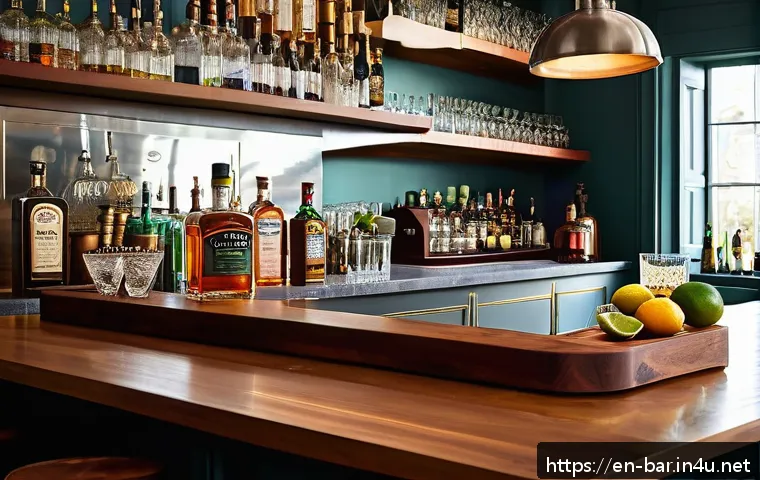
A well-organized bar setup is like a well-oiled machine. I arrange everything to minimize movement—bottles grouped by type, tools within easy reach, and garnishes prepped in small containers.
This setup lets me move seamlessly from one order to the next without missing a beat. I learned this the hard way after a chaotic shift where I kept reaching over bottles and knocking things down.
Now, organization is a top priority, and it makes a noticeable difference in speed and accuracy.
| Tool/Ingredient | Purpose | My Tips for Use |
|---|---|---|
| Boston Shaker | Mixing cocktails quickly and efficiently | Use a weighted shaker for better control and consistent shaking |
| Jigger | Measuring spirits accurately | Double-check measurements to maintain drink balance |
| Muddler | Extracting flavors from herbs and fruits | Use gentle pressure to avoid bitterness |
| Bitters | Adding depth and complexity | Experiment with different flavors to customize cocktails |
| Fresh Citrus | Providing acidity and brightness | Always use fresh juice instead of bottled for best taste |
| Garnishes | Enhancing aroma and presentation | Prep in advance and store properly to maintain freshness |
Wrapping Up
Mastering bartending is a blend of skill, creativity, and connection. From perfecting classic cocktails to managing the busy bar environment, every detail counts. The journey is ongoing, with each shift offering new lessons and opportunities to grow. Embracing both the craft and the social side makes the experience rewarding for both bartenders and guests alike.
Useful Tips to Remember
1. Always focus on balance and precision when crafting classic cocktails to elevate the drinking experience.
2. Use creativity in infusions and presentation to make your drinks stand out and keep customers coming back.
3. Develop a system for multitasking and communication to handle busy shifts efficiently without compromising quality.
4. Prioritize preparation and cleanliness to maintain smooth service and a welcoming atmosphere.
5. Build genuine connections with guests by remembering preferences and staying positive throughout your shift.
Key Takeaways for Success Behind the Bar
Consistency and attention to detail are essential for delivering great drinks every time. Efficiency comes from solid preparation, organization, and communication with your team. Balancing speed with quality ensures customer satisfaction even during peak hours. Cultivating a positive mindset and empathy helps manage stress and build lasting relationships with patrons. Finally, investing in quality tools and fresh ingredients makes a tangible difference in both workflow and taste.
Frequently Asked Questions (FAQ) 📖
Q: What skills are essential for becoming a great bartender?
A: Beyond just knowing how to mix drinks, a great bartender needs sharp multitasking abilities, excellent communication skills, and a genuine passion for hospitality.
It’s about reading the room, managing time efficiently, and creating a welcoming atmosphere. From my experience, mastering cocktail techniques is just the start—the real magic happens when you connect with customers and anticipate their needs without them having to ask.
Q: How do bartenders handle busy, stressful shifts without losing their cool?
A: Staying calm under pressure is a learned skill that comes with experience. Personally, I found that staying organized and having a clear workflow helped me immensely during rush hours.
Taking a deep breath, prioritizing tasks, and keeping a friendly demeanor even when it’s hectic makes a huge difference. Plus, teamwork behind the bar is crucial—when everyone supports each other, the chaos becomes manageable.
Q: What makes a bartender’s service truly exceptional?
A: Exceptional service goes beyond just pouring drinks accurately; it’s about creating memorable experiences. From remembering a regular’s favorite cocktail to engaging in genuine conversation, small personal touches matter.
I’ve noticed that bartenders who listen actively and adapt their service style to each guest leave a lasting impression. It’s those moments of connection that turn a simple night out into something special.