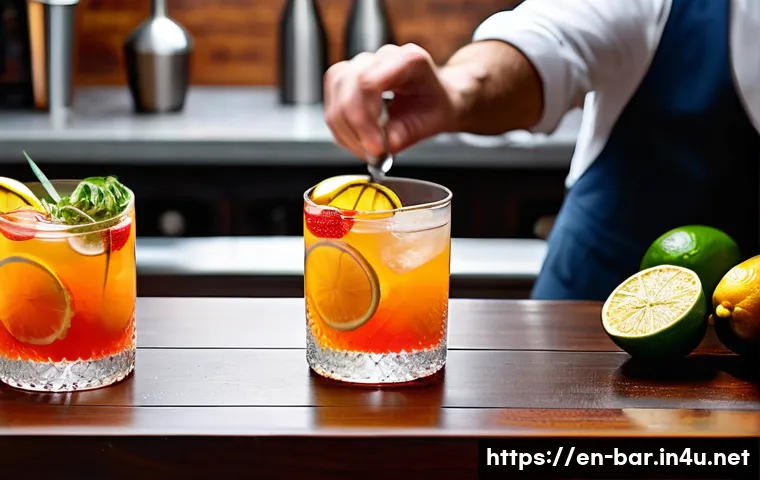
Crafting the perfect cocktail is both an art and a science, blending creativity with precise techniques. Whether you’re a seasoned bartender or just starting out, understanding the fundamental rules can elevate your drink-making skills tremendously.
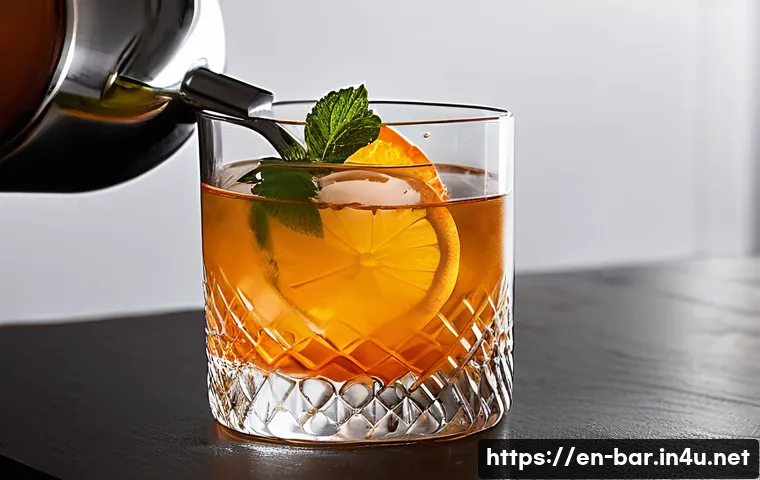
From measuring ingredients accurately to mastering the right shaking or stirring methods, each step plays a crucial role in delivering a flawless cocktail experience.
These basics not only ensure consistency but also help in impressing your guests with every pour. Ready to shake things up and dive into the essentials?
Let’s explore the core rules of cocktail making in detail below!
Mastering the Art of Ingredient Balance
Understanding the Role of Each Component
When it comes to crafting a cocktail, every ingredient has its moment to shine, but none should overpower the others. Spirits provide the backbone, while mixers add flavor and texture.
Bitters, herbs, and garnishes bring complexity and aroma. From my own experience, carefully considering how sweet, sour, bitter, and strong elements interact is key.
For example, a splash too much of a sweet liqueur can drown out delicate citrus notes. Getting this balance right isn’t just about taste; it’s about creating a harmonious experience that keeps people coming back for more.
Precision in Measuring Ingredients
I’ve found that eyeballing pours rarely leads to consistency, especially when you want to impress guests or replicate a favorite recipe. Using jiggers or precise measuring tools guarantees the right proportions every time.
Over the years, I’ve noticed that even a quarter-ounce difference can change the whole character of a drink. This exactness not only refines the flavor but also helps when scaling recipes up or down.
Precision in measurement is the silent partner behind every great cocktail.
Adjusting for Personal and Seasonal Preferences
No two palates are the same, and neither should every cocktail be. Through trial and error, I’ve learned to tweak recipes based on the occasion or the drinker’s mood.
For instance, summer calls for lighter, more refreshing profiles with less sugar, while winter invites richer, warming notes. Being flexible with ingredient ratios and substitutions lets you customize cocktails to suit your audience, creating a more memorable and enjoyable drinking experience.
Techniques That Elevate Every Pour
The Difference Between Shaking and Stirring
One of the most common questions I get is when to shake versus when to stir. Shaking is perfect for cocktails with citrus, dairy, or egg whites, as it aerates and chills the drink rapidly, creating a frothy texture.
Stirring, on the other hand, is gentler, preserving clarity and silky mouthfeel, ideal for spirit-forward drinks like a Manhattan or Martini. I’ve seen many newcomers over-shake or stir too little, so mastering this technique can transform your cocktails from average to exceptional.
Proper Ice Usage and Its Impact
Ice isn’t just for chilling; it’s an ingredient that controls dilution and texture. From my bartending days, I’ve realized that the size and shape of ice cubes drastically affect the speed of dilution.
Larger cubes melt slower, keeping the drink cold without watering it down too quickly, while crushed ice is great for tiki-style drinks needing rapid chilling and dilution.
Knowing which ice to use and how much to add is an overlooked skill that truly defines the final product.
Glassware Selection and Presentation
The right glass isn’t just about aesthetics—it influences aroma and temperature retention. I’ve found that a coupe glass keeps a shaken cocktail crisp, while a rocks glass suits stirred drinks with ice.
Presentation also sets the mood; a well-chosen glass signals care and sophistication to your guests. Over time, I’ve noticed that even subtle changes in glassware can elevate the perception of a cocktail before the first sip.
Essential Tools Every Home Bartender Should Own
Core Barware and Their Uses
A solid toolkit is the foundation for consistent cocktails. I always recommend starting with a shaker, strainer, muddler, jigger, and bar spoon. Each has a specific role: the shaker blends and chills, the strainer removes unwanted solids, the muddler releases fresh flavors, the jigger ensures precise measurements, and the bar spoon helps with layering and stirring.
Investing in quality tools has made my cocktail prep smoother and more enjoyable.
Maintaining and Caring for Your Equipment
From personal experience, keeping your tools clean and in good shape is crucial. Residual flavors or sticky residues can ruin a batch or introduce off-tastes.
I make it a habit to wash everything immediately after use and occasionally polish my shakers and spoons to avoid rust or tarnish. Well-maintained equipment not only performs better but also adds to the overall enjoyment of the cocktail-making process.
Budget-Friendly Alternatives Without Sacrificing Quality
You don’t need to splurge on every gadget to get started. I’ve often used simple household items as stand-ins, like a mason jar for shaking or a teaspoon for measuring when jiggers aren’t handy.
The key is understanding the technique and purpose behind each tool. Over time, upgrading can be considered, but focusing on skill development first yields the best results without breaking the bank.
Timing and Technique in Mixing and Serving
Chilling and Dilution: Finding the Sweet Spot
Perfect cocktails strike a balance between temperature and dilution. I learned that over-chilling can mute flavors, while under-chilling makes the drink feel harsh.
Similarly, a bit of dilution softens alcohol burn and blends flavors, but too much leaves the drink watery. Timing your shaking or stirring to achieve this balance takes practice and attention to detail, but it’s what separates a good drink from a great one.
Layering Flavors with Careful Pouring
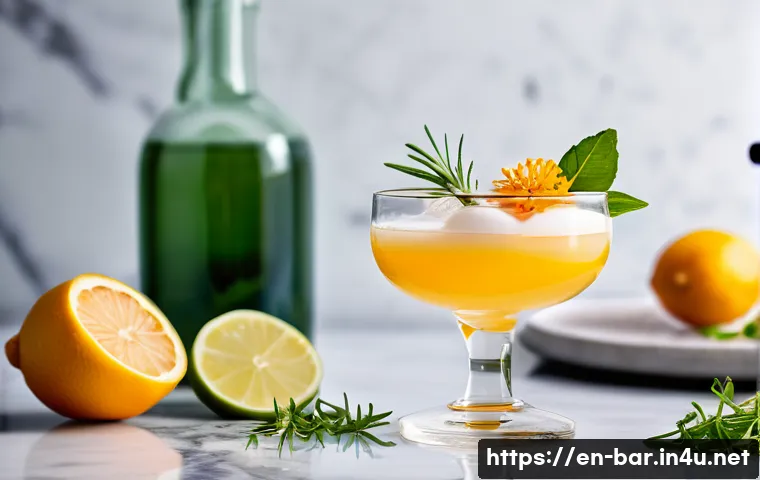
Some cocktails require layering, where ingredients float atop one another for visual appeal and gradual flavor evolution. I remember experimenting with slow, steady pouring over the back of a spoon to create stunning effects in drinks like a pousse café.
This technique takes patience and a steady hand but adds an impressive element to your bartending repertoire.
Garnishing for Aroma and Visual Impact
Garnishes are more than decoration—they engage the senses. From zesting citrus to fresh herbs or edible flowers, these final touches elevate a cocktail’s aroma and presentation.
I often encourage trying toasting herbs or lightly bruising mint to release essential oils before adding them. Thoughtful garnishing shows attention to detail and heightens the overall drinking experience.
Understanding Classic Recipes and Their Variations
Why Classic Cocktails Endure
Classics like the Old Fashioned, Negroni, and Margarita have stood the test of time because they embody balance, simplicity, and versatility. I’ve found that mastering these staples teaches foundational skills and flavor profiles that can be adapted or built upon.
Their enduring popularity also means guests often expect and appreciate these familiar options, making them essential in any bartender’s arsenal.
Creative Twists Without Losing the Essence
Adding a personal touch to a classic can be rewarding but tricky. I’ve experimented by swapping one ingredient or adding a subtle infusion, like using smoked syrup in a Whiskey Sour.
The key is preserving the core identity while enhancing or highlighting a new flavor dimension. These variations keep your menu fresh and exciting but still recognizable.
Building Your Own Signature Cocktail
Once you’re comfortable with the basics, creating an original cocktail is a fantastic way to express creativity. I recommend starting with a flavor profile you love, then experimenting with different spirits, modifiers, and garnishes.
Documenting your trials helps refine the recipe. Sharing your signature drink with friends or guests brings a unique personal touch and can even become a conversation starter.
Common Pitfalls and How to Avoid Them
Overcomplicating Recipes
It’s tempting to throw in every fancy ingredient, but I’ve learned that simplicity often wins. Overly complex cocktails can confuse the palate and make preparation cumbersome.
Focus on a few quality ingredients that complement each other well. This approach not only saves time but also highlights the true character of the spirits.
Ignoring Freshness of Ingredients
Fresh ingredients like citrus juice, herbs, and bitters are game changers. I’ve noticed that using bottled juice or stale garnishes dulls the cocktail’s vibrancy instantly.
Always prioritize fresh produce and high-quality bitters to maintain brightness and depth. It’s a small step that makes a huge difference.
Neglecting Cleanliness and Presentation
Dirty glassware or sticky rims can ruin the overall impression. I’ve witnessed cocktails served in smudged glasses or with haphazard garnishes fail to impress, no matter how good the recipe.
Taking the extra minute to polish glassware and arrange garnishes neatly shows professionalism and care, elevating the drinking experience.
Essential Cocktail-Making Reference Table
| Technique | Best Used For | Key Tips |
|---|---|---|
| Shaking | Drinks with citrus, egg whites, dairy | Shake vigorously for 10-15 seconds; use ice cubes, not crushed ice |
| Stirring | Spirit-forward cocktails like Martinis, Manhattans | Stir gently for 20-30 seconds to chill without aerating |
| Muddling | Releases flavors from herbs, fruits | Press gently to avoid bitterness; use fresh ingredients |
| Measuring | Ensures consistent flavor and balance | Use jiggers or measuring spoons; avoid free-pouring |
| Garnishing | Enhances aroma and presentation | Choose fresh, complementary garnishes; prepare carefully |
| Ice Selection | Controls dilution and chilling speed | Large cubes for slow dilution; crushed for quick chill |
In Closing
Mastering the art of cocktail making is a journey filled with creativity, precision, and enjoyment. By understanding ingredient balance, refining your techniques, and embracing personalization, you can craft drinks that truly impress. Remember, great cocktails are as much about passion as they are about skill. Cheers to elevating your home bartending experience!
Useful Tips to Keep in Mind
1. Always measure your ingredients accurately to ensure consistent flavor and avoid surprises.
2. Choose the right ice type depending on your cocktail to control dilution and temperature perfectly.
3. Freshness matters—use fresh citrus, herbs, and quality bitters for vibrant, balanced drinks.
4. Don’t overlook glassware; the right glass enhances aroma, temperature, and overall presentation.
5. Keep your tools clean and well-maintained to preserve flavors and make your cocktail prep smoother.
Key Takeaways
Successful cocktail crafting hinges on a few core principles: balancing flavors thoughtfully, mastering essential techniques like shaking and stirring, and adapting recipes to suit personal and seasonal preferences. Precision in measurement and presentation elevates the experience, while simplicity and freshness ensure clarity of taste. Lastly, maintaining your equipment and focusing on quality over complexity will always set your drinks apart.
Frequently Asked Questions (FAQ) 📖
Q: How important is measuring ingredients accurately when making cocktails?
A: Measuring ingredients accurately is absolutely crucial in cocktail making. When I first started, I often eyeballed quantities, which led to inconsistent flavors and sometimes overly strong or weak drinks.
Using a jigger or precise measuring tool ensures each cocktail tastes balanced and replicates the intended flavor every time. It’s the foundation of consistency and professionalism that impresses guests and keeps them coming back for more.
Q: When should I shake a cocktail versus stir it?
A: Great question! Shaking is typically reserved for cocktails that include fruit juices, dairy, egg whites, or other thick ingredients because it chills and aerates the drink while mixing everything thoroughly.
Stirring, on the other hand, is best for spirit-forward cocktails like martinis or Manhattans where clarity and a silky texture are desired. From my experience, shaking adds a frothy, vibrant character, whereas stirring keeps the drink smooth and crystal clear.
Q: What’s the best way to master the shaking or stirring technique?
A: The key is practice and paying attention to the details. For shaking, I learned to hold the shaker firmly and shake vigorously for about 10-15 seconds until the outside feels icy cold.
For stirring, gentle, slow circular motions with a bar spoon, just enough to chill and dilute the drink without bruising the spirits, works best. Watching seasoned bartenders and mimicking their rhythm really helped me improve.
Don’t rush—developing a feel for the right technique makes a huge difference in the final cocktail.