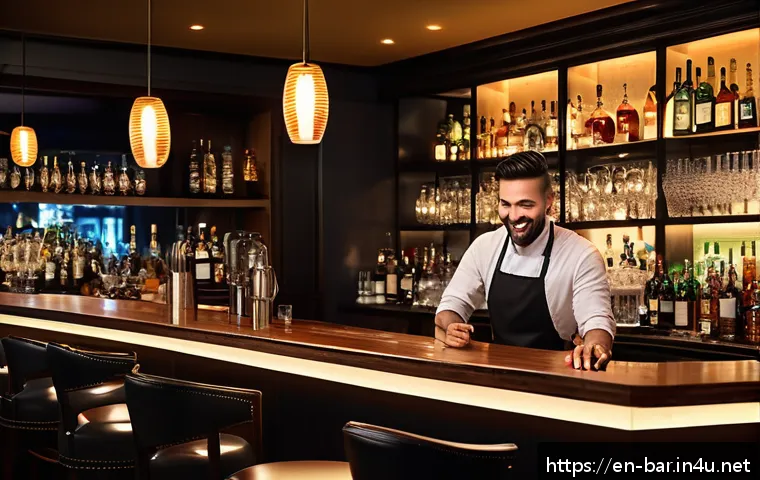
In today’s fast-paced hospitality world, maintaining passion behind the bar can be a real challenge. Many bartenders start with dreams of creativity and connection, only to find themselves caught in routines that dull their spark.

If you’ve ever wondered how small career choices can drastically shape your future in this industry, you’re not alone. Let’s dive into one bartender’s journey, exploring how missteps led to missed chances—and what we can all learn from it.
Whether you’re behind the bar or just curious about the hustle, this story offers valuable insights you won’t want to miss.
Balancing Routine with Creativity: Finding Your Unique Mix
Recognizing the Danger of Monotony
One of the trickiest traps bartenders fall into is the comfort of routine. Pouring the same drinks night after night, following the same script with customers, it’s easy to lose the excitement that drew you to bartending in the first place.
I’ve seen colleagues start bright-eyed, only to become mechanical, counting bottles instead of making connections. The spark dims because the job feels less like an art and more like a repetitive task.
That slow fade can happen so subtly, you don’t even realize you’re losing your passion until one day it’s just not there anymore.
Injecting Creativity Into Every Shift
Injecting creativity doesn’t always mean inventing new cocktails on the spot—though that’s a fantastic way to keep things fresh. Sometimes, it’s about how you interact with your guests, or how you set the mood in your section of the bar.
I remember one bartender who started experimenting with personalized drink suggestions based on a customer’s mood or story. It transformed his shifts from routine to memorable.
Even small tweaks like rearranging the garnish station or trying new presentation styles can reignite that passion. The key is to keep looking for ways to make your work feel new and exciting again.
Balancing Efficiency with Personal Expression
Efficiency is critical in a busy bar, but it can’t completely overshadow your personal touch. I’ve noticed that bartenders who cling too tightly to efficiency often sacrifice connection.
It’s a delicate balance—serving drinks quickly while still engaging customers with genuine warmth. Finding that sweet spot where you streamline your workflow but leave room for personality is what keeps bartenders motivated and guests coming back.
It’s a dance between speed and soul, and mastering it is what separates a good bartender from a great one.
Navigating Career Moves: When to Stay and When to Leap
Understanding the Impact of Early Career Decisions
Early career decisions can feel small in the moment but carry weighty consequences. I’ve witnessed bartenders who hesitated to take on new roles or training opportunities, thinking “I’ll do it later.” That “later” often never came, and years passed without growth.
On the other hand, those who embraced extra shifts, certifications, or side projects often found themselves on accelerated career paths. It’s tempting to stay comfortable where you are, but the hospitality industry rewards those willing to step out of their comfort zones.
Evaluating Job Offers and Opportunities
When a new opportunity comes knocking, it’s natural to weigh the pros and cons carefully. Salary, location, team, and growth potential all factor in. But I’ve learned that the culture of the workplace and your own long-term goals should weigh even more heavily.
One bartender I know took a higher-paying job but quickly burned out due to poor management and lack of creative freedom. Sometimes, the best decision isn’t the highest paycheck but the environment that fosters your passion and skills.
Reflecting on your personal values before making a leap can save heartache down the line.
Building a Network Within and Beyond the Bar
Networking isn’t just for corporate jobs—it’s crucial in hospitality too. Making genuine connections with fellow bartenders, suppliers, and even regular customers can open unexpected doors.
I’ve found that those who actively build relationships tend to hear about opportunities first and get invited to exciting events or collaborations. Networking doesn’t have to be awkward; it’s about being authentic and supportive.
Sharing knowledge, recommending peers, or simply staying in touch can make a huge difference when you’re ready to advance your career.
Mastering Customer Engagement: Beyond Just Serving Drinks
Reading Your Crowd and Adjusting Your Approach
Every bar has a unique vibe, and every crowd brings different energy. Successful bartenders develop an almost instinctual ability to read their patrons and shift their style accordingly.
For example, a busy Friday night might call for quick, friendly exchanges, while a slow midweek evening allows for deeper conversations. I’ve personally noticed that tuning into the room helps me decide when to entertain, when to listen, and when to let customers simply enjoy their own space.
This emotional intelligence keeps the bar experience dynamic and rewarding.
Creating Memorable Moments Through Personal Touches
It’s the small, thoughtful gestures that often turn casual customers into loyal regulars. I once saw a bartender remember a customer’s favorite drink after just one visit and surprise them with a complimentary sample of a new cocktail.
That level of attention makes people feel valued and builds a connection beyond the transaction. Whether it’s remembering names, celebrating birthdays, or customizing drinks, these moments create stories that customers tell their friends.
It’s a powerful way to stand out in a crowded market.
Handling Difficult Situations with Grace
Not every interaction is smooth sailing. Bartenders face challenges like intoxicated guests, complaints, or stressful rushes. How you handle these moments can define your reputation.
I’ve learned that staying calm, empathetic, and professional diffuses tension better than matching frustration with frustration. Sometimes, just listening and acknowledging a customer’s feelings can turn a potential conflict into a positive experience.
Developing this skill takes time but pays off in customer trust and your own job satisfaction.
Prioritizing Personal Wellbeing in a Demanding Role
Recognizing the Physical and Emotional Toll
Bartending is more than just a job; it’s physically taxing and emotionally draining. Long hours on your feet, loud environments, and the constant pressure to be “on” can wear you down.
I’ve personally experienced burnout after neglecting self-care for too long. It’s easy to push through because the show must go on, but ignoring your health leads to mistakes and lost passion.
Acknowledging these challenges is the first step to managing them effectively.
Implementing Sustainable Work Habits
Creating routines that support your wellbeing is essential. This might mean scheduling regular days off, practicing stress-reducing techniques like meditation or exercise, or simply setting boundaries around overtime.
I found that even small changes—like better hydration during shifts or stretching breaks—made a big difference in my energy levels. It’s about treating your body and mind with the same care you give your craft.
Sustainable habits not only improve your performance but also extend your career longevity.
Seeking Support and Professional Development
No one has to go it alone. Whether it’s talking to colleagues, joining bartender communities, or seeking professional help for stress, reaching out can lighten the load.
I’ve benefited immensely from mentors who shared their own struggles and coping strategies. Additionally, professional development courses on topics like mental health or conflict resolution can equip you with tools to navigate the job’s demands.
Prioritizing your wellbeing isn’t a sign of weakness—it’s a smart career move.
Leveraging Technology and Trends to Stay Ahead
Embracing Digital Tools for Efficiency
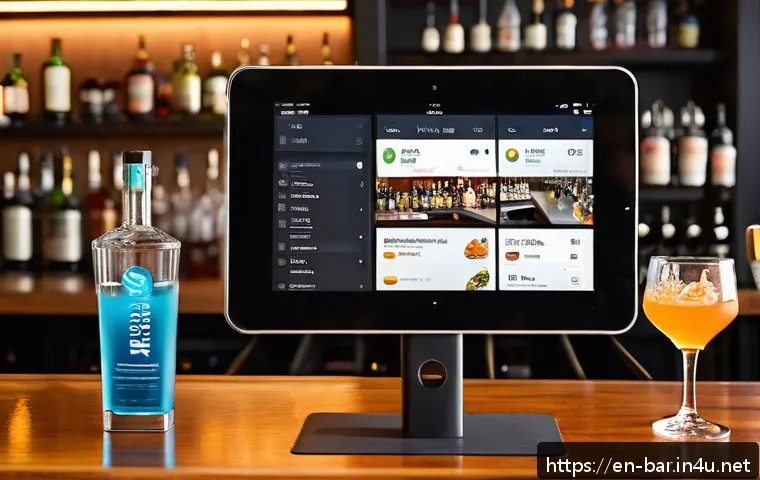
Technology has revolutionized the hospitality industry, and bartenders who embrace these changes often find their work easier and more enjoyable. From POS systems that speed up orders to inventory apps that reduce waste, digital tools help streamline operations.
I recall switching to an app-based system that cut my order times by half, freeing me to focus more on customers. Staying updated on tech trends can make your shifts less stressful and more productive.
Keeping Up with Cocktail Trends and Consumer Preferences
The cocktail world is constantly evolving, with new ingredients, techniques, and flavor profiles gaining popularity. Staying informed keeps your menu fresh and your skills sharp.
I make a habit of following industry blogs, attending tastings, and experimenting with new recipes during slow nights. It’s also important to listen to customer feedback—sometimes the next big hit comes from adapting to local tastes.
Being trend-savvy not only excites customers but also positions you as a knowledgeable expert.
Utilizing Social Media to Build Your Brand
Social media is a powerful platform for bartenders to showcase their creativity and connect with a wider audience. Posting photos of unique cocktails, sharing behind-the-scenes moments, or even hosting live tutorials can attract followers and potential job offers.
I’ve seen bartenders who grew their personal brand online land gigs at upscale venues or launch their own pop-up bars. The key is authenticity—people respond best when you share your genuine passion and personality.
Planning Financial Stability Amidst Irregular Income
Budgeting with an Unpredictable Paycheck
Bartending income often fluctuates wildly, making budgeting a challenge. Tips can vary by night, week, or season, so relying solely on immediate earnings can lead to stress.
I’ve learned to track my income carefully, setting aside a portion of tips during busy times to cover slower periods. Creating a flexible budget that accounts for variability helps prevent financial surprises and allows for more peace of mind.
Saving and Investing for the Future
Even with an irregular paycheck, it’s crucial to think long-term. Establishing an emergency fund and contributing to retirement accounts might seem daunting, but starting small is better than not starting at all.
I personally began by automating monthly transfers to a savings account, which over time built a comfortable cushion. Learning about simple investment options can also grow your money without demanding too much time or expertise.
Financial literacy is a powerful tool for bartenders looking to secure their futures.
Exploring Additional Income Streams
Diversifying income can reduce stress and increase financial security. Some bartenders supplement their earnings by teaching mixology classes, consulting for bars, or selling custom cocktail recipes online.
I know a few peers who run weekend pop-ups or collaborate with local breweries for special events. These side projects not only boost income but also expand skills and networks.
Finding a balance between your main job and side gigs can enrich your career and your wallet.
| Career Aspect | Common Pitfall | Recommended Approach | Personal Benefit |
|---|---|---|---|
| Routine | Monotony leading to lost passion | Inject creativity and personal touches | Renewed excitement and customer loyalty |
| Career Moves | Hesitation or poor environment choice | Evaluate culture and growth potential | Sustained motivation and advancement |
| Customer Engagement | Mechanical service without connection | Read crowd and personalize interactions | Memorable experiences and repeat business |
| Wellbeing | Ignoring physical and emotional strain | Adopt sustainable habits and seek support | Improved health and career longevity |
| Technology | Resistance to new tools and trends | Embrace digital tools and social media | Increased efficiency and personal brand growth |
| Finances | Unpredictable income causing stress | Budget carefully and diversify income | Financial stability and reduced anxiety |
Building a Personal Brand: Standing Out in a Competitive Market
Defining Your Unique Style and Story
In a world crowded with bartenders, standing out is essential. Your personal brand is more than just skills—it’s the story you tell through your work, attitude, and presence.
I’ve found that reflecting on what makes me different, whether it’s a signature cocktail style or a knack for storytelling, helps me connect with customers and employers alike.
Defining your brand is an ongoing process, shaped by experiences and personal growth.
Consistent Presentation Across Channels
Consistency builds trust. Whether you’re working behind the bar, posting on Instagram, or networking at events, presenting a cohesive image reinforces your brand.
That means keeping your style, tone, and messaging aligned. For example, if you’re known for classic cocktails with a modern twist, your social media and customer interactions should echo that vibe.
This consistency attracts the right audience and opportunities.
Leveraging Feedback to Refine Your Brand
Listening to feedback—both positive and constructive—is key to evolving your personal brand. I’ve learned to welcome customer comments and peer advice, using them to fine-tune my approach.
Sometimes, what you think is your strongest trait might not resonate the most, and vice versa. Being open to change keeps your brand authentic and relevant, helping you stay ahead in a fast-moving industry.
In Conclusion
Balancing routine with creativity is essential to keeping your bartending career vibrant and fulfilling. By embracing personal expression, making thoughtful career choices, and prioritizing wellbeing, you can sustain passion and growth in this dynamic field. Remember, success comes from blending efficiency with authenticity, and continuously adapting to new trends and opportunities.
Helpful Insights to Remember
1. Inject creativity into your daily routine to avoid monotony and keep your work exciting.
2. Evaluate job offers carefully by considering workplace culture and long-term goals, not just salary.
3. Engage customers genuinely by reading the room and personalizing interactions to build loyalty.
4. Prioritize your physical and mental health with sustainable habits and seek support when needed.
5. Use technology and social media strategically to enhance efficiency and grow your personal brand.
Key Takeaways
Maintaining a thriving bartending career requires a thoughtful mix of creativity, strategic career decisions, and self-care. Avoid falling into repetitive routines by continuously seeking ways to innovate and connect with your customers. Career growth is accelerated when you embrace new opportunities and build strong networks. Finally, managing your wellbeing and finances wisely ensures longevity and satisfaction in this demanding yet rewarding profession.
Frequently Asked Questions (FAQ) 📖
Q: How can a bartender keep their passion alive despite the repetitive nature of the job?
A: Keeping passion alive behind the bar often requires mixing creativity with routine. One effective approach is to experiment with new cocktail recipes or presentation styles regularly.
Engaging with customers personally, learning their stories, and sharing yours can transform ordinary shifts into meaningful experiences. Also, setting small goals like mastering a challenging technique or earning a certification can renew your sense of purpose.
From my experience, breaking the monotony with fresh challenges and genuine human connection makes a huge difference in staying motivated.
Q: What are some common career mistakes bartenders make that limit their growth opportunities?
A: A frequent misstep is sticking too long in comfort zones without seeking new skills or experiences. For example, not investing time in learning about spirits, mixology trends, or customer service nuances can stall progress.
Another mistake is neglecting networking within the industry, which often opens doors to better gigs or mentorship. I’ve seen bartenders who focus solely on day-to-day tasks miss chances to advance because they didn’t prioritize self-improvement or industry connections.
Being proactive about learning and relationship-building is crucial for long-term success.
Q: How can understanding one bartender’s journey help others in the hospitality industry?
A: Learning from someone else’s experiences—especially their challenges and regrets—offers practical lessons without having to endure the same setbacks yourself.
This bartender’s story highlights how small decisions, like choosing to avoid growth opportunities or getting stuck in routine, can have a big impact on career trajectory.
By reflecting on these points, others can be more mindful about their choices, embrace continuous learning, and stay open to change. It’s like getting a roadmap that helps you navigate the demanding but rewarding world behind the bar with more confidence and passion.