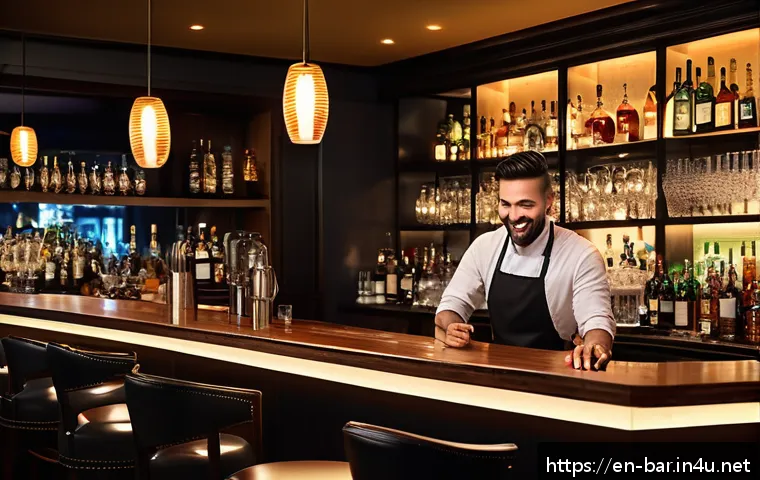
Lately, more people are discovering how a simple change in daily habits can spark unexpected personal growth. As someone who stepped behind the bar, I never imagined bartending would reshape not just my evenings but my entire mindset.

Beyond mixing drinks, this experience taught me valuable lessons about connection, creativity, and resilience. If you’ve ever wondered how a hands-on skill could influence your life outside of work, stay with me—I’m excited to share how bartending transformed my routine in ways I never saw coming.
Finding Rhythm in the Chaos: Embracing the Bartender’s Pace
Mastering the Art of Multitasking Without Losing Your Cool
Working behind the bar demands a unique kind of focus and agility. From juggling multiple drink orders to reading customers’ moods, I quickly learned how to prioritize and switch gears effortlessly.
It’s not just about speed; it’s about staying calm when the rush hits and the noise gets overwhelming. I found myself becoming more organized naturally, developing a mental checklist that helped me avoid mistakes even during the busiest hours.
This skill translated well beyond the bar, making daily tasks feel less daunting and more manageable. The bar’s fast pace forced me to trust my instincts and handle pressure like never before, which was surprisingly empowering.
Finding Flow in Repetition: How Repetitive Tasks Became Meditative
Initially, I thought repetitive drink making might get boring, but it turned out to be almost therapeutic. The routine of shaking, stirring, and garnishing became a steady rhythm that grounded me.
This repetition helped me zone into the moment, sharpening my focus and reducing stress. I noticed that even after a long shift, my mind felt clearer and more refreshed, as if the physical movement of bartending acted like a reset button.
It’s funny how something that looks so hectic on the surface can actually create a calm, meditative flow once you get into it.
Time Management Lessons from the Late-Night Crowd
Working nights shifted my entire schedule, and I had to rethink how I manage my time. I learned to carve out space for rest during unconventional hours and prioritize self-care differently.
It wasn’t easy at first—balancing sleep, social life, and a demanding job—but I gradually built a routine that worked. This experience taught me that flexibility in daily planning is key to maintaining energy and focus.
I also became better at spotting when I was running on empty and taking proactive breaks, which helped me avoid burnout.
Crafting Connections: The Unexpected Social Skills I Picked Up
Reading People Beyond Words
Bartending isn’t just about making drinks; it’s about making connections. Over time, I developed an eye for subtle cues—body language, tone, even the little things people leave unsaid.
This heightened awareness helped me engage customers in a more meaningful way, whether it was brightening someone’s day or defusing a tense moment. These social skills extended beyond work, improving my empathy and communication in everyday life.
I found myself more patient and understanding, which made relationships richer and more rewarding.
Building Rapport in Seconds
The bar environment taught me how to quickly break the ice and establish trust with strangers. Whether it’s through a shared laugh or remembering a regular’s favorite drink, these small moments build loyalty and comfort.
I realized that genuine connection doesn’t require long conversations; sometimes, it’s the little gestures that matter most. This skill has been invaluable outside of work, especially in networking or meeting new people where first impressions count.
The Power of Listening as a Bartender
One of the most surprising lessons was how much people appreciate a good listener. Many customers came to the bar not just for drinks but for a moment of genuine attention.
I learned to listen actively without rushing to respond, which made conversations more meaningful. This practice of mindful listening improved my personal relationships, allowing me to connect on a deeper level and offer support when needed.
Creativity on Tap: How Bartending Sparked New Ideas
Experimenting with Flavors and Presentation
Bartending opened up a playground for creativity I didn’t expect. Mixing unexpected ingredients and playing with garnishes pushed me to think outside the box.
I started seeing drink making as a form of art, where each cocktail tells a story. This creative outlet was refreshing and gave me confidence to try new things in other areas of my life.
The satisfaction of crafting a unique drink that delighted customers was a powerful motivator.
Problem-Solving Under Pressure
Behind the bar, things rarely go exactly as planned. Maybe an ingredient runs out or a piece of equipment fails. I learned to think quickly and adapt without losing momentum.
This mindset of flexible problem-solving became second nature and helped me approach challenges with a can-do attitude. It’s rewarding to find solutions on the fly and see how small adjustments can turn potential setbacks into successes.
Inspiration from Customer Stories
Every night brought new stories, ideas, and perspectives from a diverse crowd. Listening to these tales sparked creativity and inspired me to write, cook, and even try my hand at mixology experiments at home.
The bar became a melting pot of inspiration that fueled my passions beyond work. It’s amazing how hearing someone’s personal journey can shift your own thinking and spark new ambitions.
Resilience and Adaptability: Lessons from Late-Night Shifts
Building Mental Toughness in a High-Stress Environment
Bartending taught me resilience in ways I hadn’t anticipated. Dealing with difficult customers, long hours, and physical fatigue required mental grit.
I found myself developing a thicker skin and a more positive outlook, focusing on solutions rather than problems. This resilience carried over into other stressful situations in life, helping me stay grounded and composed even when things felt overwhelming.
Learning to Bounce Back Quickly
Mistakes happen, whether it’s spilling a drink or misreading an order. What mattered most was how I responded. I got used to quickly shaking off setbacks, learning from them, and moving forward without dwelling.
This ability to bounce back fast has been invaluable, boosting my confidence and reducing anxiety in both personal and professional situations.
Adapting to Constant Change
No two nights behind the bar are the same. I became comfortable with uncertainty and learned to embrace change as part of the job. This adaptability made me more open-minded and willing to try new approaches.

It also helped me navigate life’s unpredictability with more ease, knowing that flexibility can turn challenges into opportunities.
Practical Skills That Transformed My Everyday Life
Enhanced Communication and Customer Service
The constant interaction with customers sharpened my communication skills dramatically. I became better at expressing myself clearly, reading social cues, and managing conflicts diplomatically.
These skills proved useful beyond bartending, improving my ability to work in teams and engage in social settings more confidently.
Financial Awareness and Tips Management
Handling cash and tips every night gave me a hands-on lesson in managing money. I developed a better sense of budgeting and saving, appreciating how small earnings accumulate over time.
This practical experience encouraged me to be more mindful about personal finances, helping me set clearer financial goals.
Health and Self-Care Awareness
Working late hours made me realize the importance of self-care. I learned to listen to my body’s signals and prioritize sleep, hydration, and nutrition even when the schedule was tough.
This heightened awareness of health needs has stayed with me, leading to better habits and overall well-being.
How Bartending Skills Translate to Other Careers
Leadership and Teamwork in Fast-Paced Settings
Bartending is rarely a solo gig; it’s a team effort. I learned how to communicate effectively with coworkers, manage conflicts, and support others during peak times.
These leadership and teamwork skills are highly transferable to any career, especially roles requiring collaboration under pressure.
Salesmanship and Persuasion Techniques
Convincing customers to try new drinks or upsell specials sharpened my sales skills. I learned the art of subtle persuasion and tailoring recommendations based on customer preferences.
This experience has been invaluable in any role involving negotiation or client interaction.
Attention to Detail and Quality Control
Precision is key in bartending—from measuring ingredients to ensuring consistent taste. This attention to detail honed my focus and commitment to quality, traits that benefit any profession requiring accuracy and reliability.
Balancing Passion and Practicality in a Nightlife Job
Finding Joy in Work Despite Challenges
Bartending isn’t always glamorous, but finding moments of joy in the craft and interactions made the experience fulfilling. I learned to appreciate small wins and celebrate progress, which kept me motivated during tough shifts.
Maintaining Boundaries and Work-Life Balance
The late hours and social environment demanded clear boundaries to protect my personal life. I developed strategies to disconnect after work and recharge fully, which improved my overall happiness and productivity.
Planning for Growth Beyond the Bar
While bartending was a great learning ground, I kept an eye on long-term goals. The skills and confidence I gained opened doors to new opportunities, and I started exploring ways to leverage my experience into future careers or side hustles.
| Skill Developed | How It Was Learned | Impact Beyond Bartending |
|---|---|---|
| Multitasking & Time Management | Handling multiple orders and busy shifts | Improved daily productivity and stress handling |
| Social Awareness & Communication | Engaging diverse customers and reading cues | Enhanced empathy and relationship-building |
| Creativity & Problem-Solving | Experimenting with drinks and adapting on the fly | Boosted innovation and flexibility in life |
| Resilience & Adaptability | Managing difficult situations and fast changes | Stronger mental toughness and openness to change |
| Financial Literacy | Handling cash and tips regularly | Better budgeting and money management habits |
In Conclusion
Bartending is more than just mixing drinks; it’s a journey of personal growth and skill development. The fast-paced environment sharpened my multitasking, social, and creative abilities, all while teaching resilience and adaptability. These lessons extend far beyond the bar, enriching everyday life and future career paths. Embracing the bartender’s rhythm truly transforms challenges into opportunities for growth.
Useful Information to Keep in Mind
1. Multitasking effectively behind the bar enhances overall productivity and stress management in daily life.
2. Developing strong social awareness improves communication and deepens personal relationships.
3. Creativity in bartending fosters innovative thinking applicable across various fields.
4. Building resilience and adaptability helps maintain mental toughness in any high-pressure situation.
5. Financial literacy gained from managing tips and cash encourages better money management habits.
Key Takeaways
Working as a bartender cultivates a unique blend of skills including time management, social intelligence, and creative problem-solving. It also instills resilience and adaptability critical for handling stress and change. Beyond technical expertise, the role promotes personal well-being through self-care awareness and financial responsibility. These competencies not only enhance professional performance but also empower personal growth and future opportunities.
Frequently Asked Questions (FAQ) 📖
Q: uestionsQ1: How did bartending help you develop better social skills?
A: Bartending put me in the middle of a diverse crowd every night, which naturally pushed me to improve my communication and empathy. I learned to read body language, handle different personalities with ease, and create a welcoming vibe.
These social skills didn’t just stay behind the bar—they helped me connect more genuinely in my personal life too.
Q: What unexpected challenges did you face while bartending, and how did you overcome them?
A: One major challenge was managing stress during busy shifts when orders piled up and the pressure was intense. At first, it felt overwhelming, but over time I developed resilience by staying calm, organizing tasks quickly, and relying on teamwork.
That ability to keep cool under pressure has been invaluable beyond bartending, especially in everyday stressful situations.
Q: Can learning bartending really boost creativity, and if so, how?
A: Absolutely! Mixing drinks is like a creative outlet where you experiment with flavors, presentation, and combinations. I found myself thinking outside the box, crafting unique cocktails that surprised customers.
This creativity spilled over into other parts of my life, inspiring me to approach problems and projects with fresh ideas and more confidence.