Earning a bartender certification can open doors to exciting opportunities in the hospitality industry, but preparing for the exam might feel overwhelming at first.

From mastering cocktail recipes to understanding the nuances of customer service, having a solid study plan is essential. Over the years, I’ve discovered that blending practical experience with targeted study techniques makes all the difference.
Whether you’re aiming to start a new career or just enhance your skills, knowing how to focus your efforts efficiently will save you time and boost your confidence.
Let’s dive into some proven tips that can help you pass with flying colors. Get ready to explore everything you need to know right here!
Building a Strong Foundation in Mixology
Understanding Core Spirits and Their Profiles
Getting to know the basic types of spirits—vodka, gin, rum, tequila, whiskey, and brandy—is crucial. Each has distinct flavor profiles and origins that influence how they mix with other ingredients.
When I first started, I found it helpful to taste each spirit neat and then explore simple cocktails that highlight their unique characteristics. This hands-on approach really made the differences stick in my mind, rather than just memorizing facts.
Knowing your spirits inside out means you can confidently adjust recipes and even create your own signature drinks down the road.
Mastering Classic Cocktail Recipes
Rather than trying to memorize dozens of complicated drinks, focus on mastering a core set of classic cocktails like the Old Fashioned, Martini, Margarita, and Mojito.
These recipes often share techniques and ingredients, so once you nail them, you’ll find it easier to understand variations and build on your skills. I recommend practicing the steps repeatedly until they become second nature.
For example, shaking vs. stirring, or how to properly garnish—these little details add up and impress both examiners and customers.
Essential Bar Tools and Techniques
Knowing your way around bar tools is just as important as understanding drinks. From shakers and strainers to muddlers and jiggers, each tool has a specific purpose.
I remember fumbling with a Hawthorne strainer at first, but with practice, it became muscle memory. Also, mastering pouring techniques—like free pouring versus measuring—can save time and improve accuracy during busy shifts.
Don’t overlook the importance of speed and cleanliness; they’re often tested in practical exams and are essential skills in real bar environments.
Elevating Customer Interaction Skills
Reading Customer Cues and Preferences
Bartending isn’t just about mixing drinks; it’s about connecting with people. Being able to read body language and listen carefully helps you tailor your service to each guest’s mood and preferences.
For instance, a shy customer might appreciate a quiet recommendation, while a lively group may enjoy some playful banter. I’ve found that developing this emotional intelligence creates a more memorable experience, which can be a big plus during certification oral exams or role-playing scenarios.
Handling Difficult Situations Gracefully
Every bartender faces tough moments—whether it’s dealing with an intoxicated patron or managing long lines during peak hours. Preparing for these challenges ahead of time helps you stay calm and professional.
One tip that worked for me was role-playing different scenarios with friends or colleagues. Practicing polite but firm responses, like refusing service or resolving conflicts, boosts confidence and demonstrates maturity, which examiners highly value.
Building Rapport to Boost Tips and Repeat Business
Creating a friendly atmosphere encourages customers to return and tip well. Simple gestures like remembering names, favorite drinks, or even personal details can make a huge difference.
I personally keep a mental note of regulars’ preferences and try to chat briefly when it’s not too busy. This approach not only enhances your reputation but also gives you a competitive edge in both exams and real-world bartending jobs.
Developing Effective Study Habits for the Exam
Setting Realistic Study Goals
Breaking down the material into manageable chunks helps prevent burnout. When I prepared for my certification, I set daily goals like learning two new cocktail recipes or reviewing one section of bar law.
This steady progress felt rewarding and kept me motivated. Using tools like flashcards or mobile apps can reinforce memory on the go, making study sessions more efficient without overwhelming your schedule.
Incorporating Practical Practice Sessions
Theory alone won’t cut it; hands-on practice is key. I carved out time each week to practice drink-making under timed conditions, simulating the pressure of a real exam or busy bar shift.
Recording yourself or asking a friend to watch can provide valuable feedback on technique and presentation. This kind of active learning solidifies knowledge and helps reduce nervousness during the actual test.
Utilizing Mock Exams and Study Groups
Taking mock exams helps familiarize you with the format and timing of the real test. I joined a study group where we quizzed each other and shared tips.
This community approach added accountability and diverse perspectives, which made preparation more engaging. Even if you prefer solo study, scheduling regular self-tests can highlight weak areas that need extra attention before exam day.
Understanding the Legal and Safety Responsibilities
Knowing Alcohol Laws and Regulations
Every certified bartender must understand local laws regarding serving alcohol, including age restrictions, intoxication limits, and license requirements.
When I studied this section, I realized how important it is not just for passing the exam but for protecting yourself and your employer. Keeping up to date with any changes in legislation is a good habit that shows professionalism and responsibility.
Recognizing Signs of Intoxication and Intervention Techniques
Being able to identify when a customer is over the limit and knowing how to intervene safely is critical. I practiced scenarios where I had to refuse service politely and suggest alternatives like water or food.
These skills promote a safe environment and are often tested in certification exams through role-play or written questions.
Maintaining a Clean and Safe Bar Environment
Safety also extends to hygiene and workspace organization. Proper glassware cleaning, waste disposal, and handling of spills prevent accidents and health hazards.
During my training, I learned that a tidy bar not only looks professional but speeds up service and reduces mistakes. This attention to detail is a subtle but important factor that can set you apart during practical assessments.
Balancing Theory with Real-World Experience
Gaining Hands-On Experience Through Internships or Part-Time Work
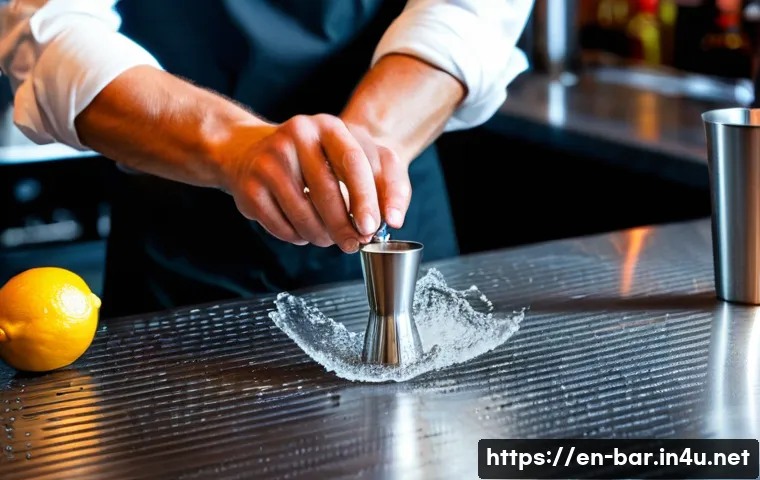
Nothing beats real bar experience when it comes to learning. I volunteered at local events and took part-time shifts before my exam, which helped me apply textbook knowledge in actual settings.
This exposure taught me about customer flow, multitasking, and adapting under pressure—lessons no book can fully cover.
Reflecting on Mistakes and Learning from Feedback
Every shift has its challenges, and mistakes are inevitable. What matters is how you respond. I kept a journal noting what went well and where I stumbled, then sought feedback from mentors or coworkers.
This habit accelerated my growth and prepared me for the self-awareness expected during certification evaluations.
Using Technology to Enhance Learning
Apps and online platforms offer interactive quizzes, video tutorials, and community forums that enrich the study process. I found that watching cocktail-making videos helped me visualize techniques better than static images.
Plus, connecting with fellow learners online provided encouragement and practical advice that textbooks often lack.
Comparing Popular Bartender Certification Programs
Overview of Certification Providers
There are several well-known certifications such as the Certified Bartender (CB), TIPS (Training for Intervention Procedures), and the International Bartenders Association (IBA) credentials.
Each program varies in focus, duration, and cost, so choosing one that aligns with your career goals is important. I personally went with a program that balanced practical skills and legal knowledge, which suited my local job market.
Key Features and Benefits
Programs differ in their exam format—some emphasize hands-on testing, others prioritize written knowledge. Some include customer service modules, while others focus strictly on mixology.
Understanding what each offers can help you decide which matches your learning style and professional needs.
Cost and Accessibility Considerations
Price can range from affordable online courses to more expensive in-person workshops. Location and schedule flexibility also matter, especially if you’re working or studying simultaneously.
I found that investing a bit more in a reputable course with good instructor support paid off in confidence and job prospects.
| Certification Program | Focus Area | Exam Format | Cost Range | Ideal For |
|---|---|---|---|---|
| Certified Bartender (CB) | Mixology & Practical Skills | Hands-on & Written | $200 – $400 | Beginners & Aspiring Pros |
| TIPS | Alcohol Safety & Responsibility | Online Course & Test | $30 – $70 | Hospitality Staff & Managers |
| International Bartenders Association (IBA) | Global Standards & Classic Cocktails | Practical Exam | $300 – $500 | Experienced Bartenders |
Maintaining Motivation and Managing Stress During Preparation
Setting Personal Milestones and Rewards
Studying for certification can feel like a marathon, so celebrating small wins keeps morale high. I treated myself to a favorite coffee or a night out after completing each study section.
These rewards turned study sessions into something to look forward to rather than a chore.
Incorporating Breaks and Physical Activity
Long hours of reading or practicing can lead to fatigue. I made it a point to take short breaks, stretch, or go for a walk to refresh my mind. This simple habit improved my focus and retention, especially when juggling work and study.
Seeking Support from Peers and Mentors
Talking through challenges with others makes the process less isolating. Joining online forums or local bartending communities gave me access to encouragement and practical advice.
Mentors, in particular, provided invaluable insights that helped me avoid common pitfalls and stay on track.
Strategies for Exam Day Success
Preparing Your Materials and Mindset
The night before, I made sure all my tools were clean and packed, and I reviewed key points lightly without cramming. Getting a good night’s sleep and having a nutritious breakfast made a huge difference in my energy and clarity during the exam.
Time Management During the Exam
Pacing yourself is critical. I tackled easier questions first and left more challenging ones for later. For the practical portion, I focused on accuracy and technique rather than rushing, which helped me avoid careless mistakes.
Staying Calm and Confident Under Pressure
Deep breathing and positive self-talk helped me stay grounded. Reminding myself that I had prepared thoroughly reduced anxiety. Visualizing success before the exam made me feel more confident, which I believe was key to passing with flying colors.
Conclusion
Building a solid foundation in mixology combines knowledge, hands-on experience, and customer interaction skills. With consistent practice and understanding of legal responsibilities, anyone can excel in bartending certification and real-world scenarios. Remember, confidence and preparation go hand in hand to deliver excellent service and create memorable experiences behind the bar.
Useful Information to Keep in Mind
1. Consistently tasting and experimenting with different spirits helps deepen your understanding of their unique profiles and how they interact in cocktails.
2. Focusing on mastering a few classic cocktails first lays the groundwork for exploring more complex recipes later.
3. Developing emotional intelligence to read customers’ moods can greatly enhance your service and build rapport.
4. Incorporating practical timed sessions into your study routine improves both speed and accuracy under pressure.
5. Staying updated on local alcohol laws and practicing safe intervention techniques ensures professionalism and customer safety.
Key Takeaways
Success in bartending certification and practice hinges on blending theory with real-world experience. Prioritize mastering core spirits, essential tools, and classic recipes while honing your communication skills. Prepare thoroughly for exams by setting achievable goals, practicing under realistic conditions, and seeking feedback. Always keep safety and legal responsibilities at the forefront to maintain a professional and secure environment. Lastly, managing stress and staying motivated throughout your journey will empower you to perform confidently when it counts the most.
Frequently Asked Questions (FAQ) 📖
Q: What are the most important topics to focus on when studying for the bartender certification exam?
A: From my experience, the key areas to concentrate on include mastering classic and popular cocktail recipes, understanding the types and uses of different spirits and mixers, and learning the proper techniques for pouring and garnishing.
Equally important is grasping customer service skills—knowing how to read the room, handle difficult customers, and maintain a friendly yet professional attitude.
Many exams also test your knowledge of responsible alcohol service and safety regulations, so don’t overlook those sections. Balancing practical skills with theory will give you a strong foundation.
Q: How can I effectively combine practical experience with studying to prepare for the exam?
A: I found that nothing beats hands-on practice to reinforce what you study. Try to spend time behind the bar, even if it’s just mixing drinks for friends or volunteering at events.
This real-world experience helps you remember recipes and speeds up your drink-making process. Meanwhile, use flashcards or apps to drill ingredient lists and measurement ratios.
Watching tutorial videos and taking mock exams can also build your confidence. The trick is to alternate between active learning and practice so you don’t just memorize but truly understand the craft.
Q: What strategies can help reduce exam anxiety and improve confidence on test day?
A: Feeling nervous before the exam is totally normal, but preparing well in advance is your best defense. I recommend setting a study schedule that breaks down material into manageable chunks rather than cramming last minute.
Getting a good night’s sleep and eating a balanced meal before the test can also make a surprising difference in your focus. On exam day, take deep breaths, and remind yourself that you’ve put in the work.
Visualizing success and recalling past practical wins helps calm nerves. Remember, the exam is just one step on your journey, and confidence grows with experience.