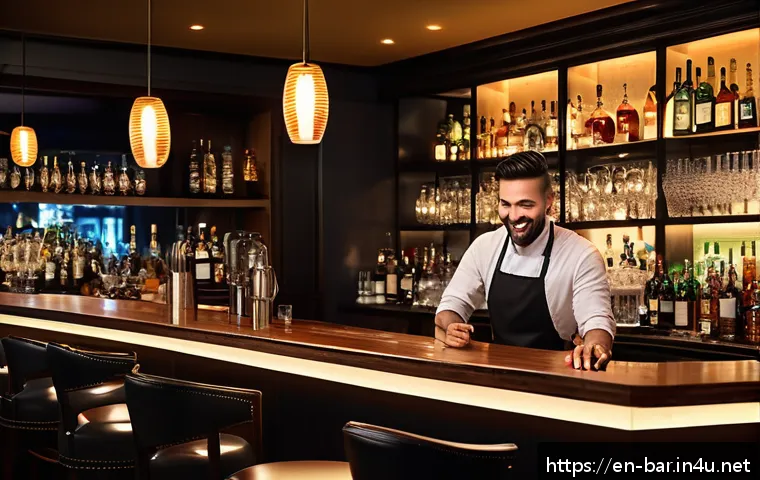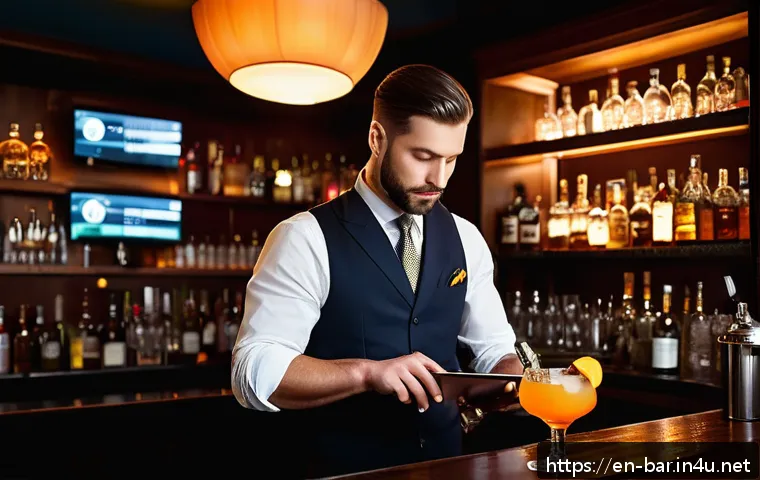
Behind every great cocktail is a story of passion, perseverance, and creativity. Many bartenders start just mixing drinks, but some turn their craft into a thriving career filled with exciting challenges and rewarding connections.

Success in bartending isn’t just about shaking a perfect martini—it’s about mastering customer experience, building a personal brand, and adapting to ever-changing trends.
Today, we dive into inspiring stories of bartenders who have risen through the ranks, sharing insights you won’t want to miss. Let’s explore what it truly takes to succeed behind the bar in this competitive world.
Read on, and I’ll walk you through the details!
Building a Personal Brand Behind the Bar
Crafting Your Signature Style
Every bartender eventually realizes that standing out means more than just mixing drinks—it’s about developing a unique style that guests remember. When I first started, I mimicked popular cocktail recipes, but it wasn’t until I began experimenting with local ingredients and flavor profiles that people started asking for my creations specifically.
Your signature style can be anything: a particular garnish technique, a twist on classic recipes, or even the way you interact with guests. This authenticity is what turns casual patrons into loyal followers.
Personal branding behind the bar is subtle yet powerful—it’s the vibe you create and the stories you tell with every cocktail.
Leveraging Social Media to Expand Reach
In today’s digital age, social media is a game-changer for bartenders seeking to elevate their careers. Sharing cocktail tutorials, behind-the-scenes bar moments, or spotlighting seasonal ingredients can attract a following that transcends your physical workplace.
I found that engaging directly with followers, responding to comments, and even collaborating with local distilleries boosted my profile significantly.
Instagram and TikTok, in particular, provide visual platforms perfect for showcasing the artistry of bartending. The key is consistency and genuine interaction—people connect with personalities, not just recipes.
Networking Beyond the Bar Counter
Success in bartending often hinges on the connections you make. Attending industry events, cocktail competitions, and workshops can open doors to new opportunities and mentorships.
I recall a pivotal moment when meeting a renowned mixologist at a conference led to a guest bartending gig that expanded my exposure. Networking is not just about exchanging business cards; it’s about building relationships grounded in shared passion and mutual respect.
These connections often lead to collaborations, career advancements, and a deeper understanding of the craft.
Mastering Customer Experience for Lasting Impressions
Reading the Room and Personalizing Service
One of the most rewarding parts of bartending is connecting with guests on a personal level. I’ve learned that reading subtle cues—like body language and tone—helps tailor the experience.
For instance, a stressed customer might appreciate a calming, low-alcohol cocktail and a sympathetic ear, whereas a group celebrating may want something bold and festive.
This emotional intelligence goes beyond pouring drinks; it creates memorable moments that keep customers coming back. Personalizing service isn’t scripted—it’s about genuine attentiveness and empathy.
Creating an Inviting Atmosphere
The physical environment plays a huge role in customer satisfaction. Lighting, music, and even the layout of the bar affect how comfortable guests feel.
I’ve noticed that when the ambiance matches the mood of the crowd, whether it’s a chill weekday evening or a lively weekend party, the overall experience improves dramatically.
Sometimes, it’s small touches—like remembering a regular’s favorite drink or adjusting music volume—that make a big difference. The goal is to make every guest feel like the bar was designed just for them.
Handling Difficult Situations with Grace
No matter how skilled you are, challenging moments with customers or coworkers are inevitable. Early in my career, I struggled with confrontations, but over time I developed strategies that turned potential conflicts into positive outcomes.
Active listening, staying calm, and offering sincere apologies or solutions usually defuse tension. Sometimes, simply acknowledging a customer’s frustration and showing you care can transform their mood.
Handling these moments professionally not only preserves your reputation but also demonstrates your emotional resilience and maturity.
Adapting to Trends Without Losing Authenticity
Staying Ahead with Industry Innovations
The cocktail world evolves fast—new spirits, techniques, and presentation styles emerge every season. Keeping up means continuous learning and experimentation.
I make it a point to try new products as soon as they hit the market and attend workshops whenever possible. However, blindly chasing trends can backfire if they don’t fit your style or clientele.
The trick is to blend innovation with your established approach, ensuring each new element enhances the experience rather than feeling forced.
Balancing Classic and Contemporary Menus
A well-rounded bartender respects the classics while embracing modern creativity. I’ve found success by offering timeless cocktails alongside inventive concoctions that reflect current tastes.
This balance caters to diverse customers—those craving nostalgia and others seeking novelty. Moreover, understanding the history behind classic drinks deepens your credibility and enriches storytelling when serving.
It’s like having a versatile toolkit that lets you adapt fluidly to different crowds and occasions.
Embracing Sustainability and Local Sourcing
Sustainability is no longer a niche concern—it’s a growing expectation among patrons. Incorporating eco-friendly practices, like reducing waste or sourcing local ingredients, adds value and authenticity to your craft.
I started partnering with nearby farms and distilleries to feature seasonal produce, which not only supports the community but also inspires fresh, unique cocktails.
This approach resonates strongly with environmentally conscious customers and enhances your personal brand as a thoughtful, responsible professional.
The Importance of Mentorship and Continuous Growth
Learning from Industry Veterans
Early mentorship shaped my journey profoundly. Having a seasoned bartender guide me through the nuances of the trade accelerated my growth in ways self-study never could.
Mentors offer wisdom on everything from cocktail techniques to managing bar dynamics and career planning. Seeking out these relationships, whether formally or informally, can provide invaluable insights and encouragement.
It’s a two-way street—while you gain knowledge, you also contribute fresh energy and ideas, creating a vibrant learning environment.
Investing in Professional Development
The bartending profession rewards those who invest in themselves beyond the bar. Certifications, advanced courses, and attending industry events are excellent ways to deepen expertise and gain recognition.
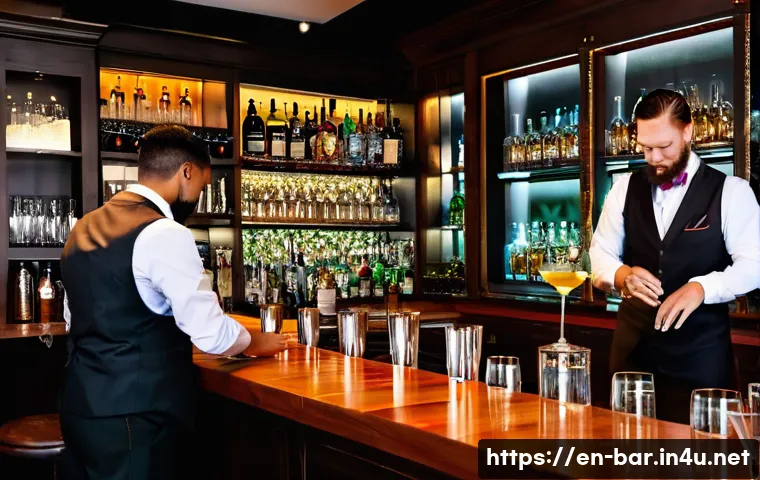
Personally, attending a certified mixology program opened doors to higher-end venues and consulting gigs. Continuous growth keeps you competitive and confident, showing employers and customers alike that you’re serious about your craft.
Plus, learning new skills keeps the job exciting and helps avoid burnout.
Sharing Knowledge to Build Community
Giving back by teaching others or sharing your experiences strengthens the bartending community and enhances your reputation. I’ve volunteered at local bartending schools and hosted workshops, which not only felt rewarding but also connected me with aspiring professionals.
This exchange of knowledge fosters camaraderie and keeps the industry vibrant. Plus, it positions you as a leader and expert, which can lead to new career opportunities and collaborations.
Balancing Passion with Practical Business Sense
Understanding the Financial Side of Bartending
Beyond creativity and customer service, bartending is a business. Understanding profit margins, inventory control, and cost management is crucial for long-term success.
Early on, I didn’t pay much attention to these aspects, but as I moved into managerial roles, I realized how vital they are. Efficient ordering and minimizing waste directly impact a bar’s profitability.
Even if you’re not running your own establishment, knowing these basics makes you a valuable team member and prepares you for future entrepreneurial ventures.
Maximizing Tips and Income Streams
Tips are a significant part of a bartender’s income, but maximizing them takes strategy. Building rapport, remembering regulars’ preferences, and delivering excellent service naturally increase gratuities.
Additionally, diversifying income through private events, cocktail classes, or brand partnerships can boost earnings. I’ve found that hosting occasional mixology workshops helped supplement my income and expanded my network.
Thinking creatively about revenue streams can make bartending a sustainable and rewarding career.
Planning for Career Longevity
Bartending can be physically demanding, so planning for longevity is essential. This means maintaining physical health, managing stress, and setting realistic career goals.
I make it a habit to stretch regularly, stay hydrated, and take mental breaks during shifts. Career-wise, I’ve mapped out milestones like moving into bar management or consulting to ensure growth without burnout.
Planning ahead also involves financial saving and skill diversification, which provide security if you decide to pivot within the hospitality industry.
Innovative Cocktail Techniques That Impress
Incorporating Molecular Mixology
Molecular mixology has fascinated me since I first encountered it. Techniques like spherification, foams, and smoke infusions add a theatrical element that captivates guests.
While it might sound intimidating, starting small with simple foams or flavored gels can elevate your cocktails dramatically. I remember the first time I served a smoky Old Fashioned using a handheld smoker; the surprised smiles and follow-up orders were instant rewards.
These techniques showcase creativity and technical skill, making your bar stand out in a crowded market.
Utilizing Seasonal and Local Ingredients
Seasonal ingredients not only enhance flavors but also tell a story of place and time. I love crafting cocktails that highlight what’s fresh and available locally—think fresh herbs, fruits, or artisanal spirits.
This approach keeps menus dynamic and invites customers to experience something unique every few months. Plus, sourcing locally often means better quality and supports community businesses.
It’s a win-win that also aligns with the growing consumer demand for transparency and sustainability.
Experimenting with Presentation and Garnishes
Presentation is the first impression of a cocktail, so I always spend time perfecting garnishes and glassware choices. From edible flowers to custom ice cubes, these details add layers of sensory appeal.
One trick I use is incorporating aromatic herbs or citrus peels that guests can smell before taking a sip, enhancing the overall experience. Sometimes, a clever garnish sparks conversation, making the drink memorable beyond taste alone.
Presentation is an art form that complements your mixology skills and builds your signature style.
| Key Success Factors | Practical Tips | Personal Experience |
|---|---|---|
| Building a Personal Brand | Develop a signature style, engage on social media, network regularly | Gained loyal followers by sharing unique recipes and collaborating with distilleries |
| Mastering Customer Experience | Read customer cues, create inviting atmosphere, manage conflicts gracefully | Tailored cocktails based on mood, turning first-time guests into regulars |
| Adapting to Trends | Stay updated with innovations, balance classic and new, focus on sustainability | Introduced seasonal menus using local ingredients, boosting community ties |
| Continuous Growth | Seek mentorship, invest in training, share knowledge | Advanced mixology courses opened doors to higher-end venues |
| Business Acumen | Understand finances, diversify income, plan for career longevity | Hosted workshops to supplement income, managed bar costs efficiently |
| Innovative Techniques | Use molecular mixology, seasonal ingredients, creative presentation | Used smoke infusion to wow guests, enhanced drinks with unique garnishes |
글을 마치며
Building a strong personal brand as a bartender goes beyond crafting cocktails—it’s about creating memorable experiences and genuine connections. Embracing innovation while staying true to your style sets you apart in this dynamic industry. Continuous learning and smart business sense ensure longevity and success behind the bar. Ultimately, passion combined with professionalism shapes not only your career but also the lasting impressions you leave on every guest.
알아두면 쓸모 있는 정보
1. Developing a unique signature style helps you stand out and build loyal customers who seek your personal touch.
2. Engaging authentically on social media platforms like Instagram and TikTok can significantly widen your professional reach.
3. Reading customer moods and tailoring service creates memorable experiences that encourage repeat visits.
4. Balancing classic recipes with contemporary trends and local ingredients keeps your menu fresh and appealing.
5. Investing in mentorship and professional development accelerates growth and opens doors to new opportunities.
중요 사항 정리
Creating a successful bartending career requires blending creativity with strategic business awareness. Focus on building a personal brand through signature styles and authentic interactions. Prioritize exceptional customer experiences by being attentive and adaptable to different moods and situations. Stay current with industry trends while maintaining your unique approach, and never stop learning from mentors and courses. Finally, managing finances wisely and diversifying income streams will help sustain your passion and ensure long-term success.
Frequently Asked Questions (FAQ) 📖
Q: What skills are essential for a bartender to succeed beyond just mixing drinks?
A: Beyond crafting great cocktails, successful bartenders excel in customer service, communication, and multitasking. It’s about creating a memorable experience—reading guests’ moods, offering personalized recommendations, and managing a busy bar smoothly.
I’ve noticed that bartenders who genuinely connect with customers and stay calm under pressure tend to build loyal followings and thrive in their careers.
Q: How can a bartender build a personal brand in such a competitive industry?
A: Building a personal brand starts with showcasing your unique style and expertise, both in-person and online. Sharing creative recipes, behind-the-scenes stories, or cocktail tutorials on social media can attract a dedicated audience.
From my experience, being authentic and consistent helps you stand out. Networking with industry peers and participating in competitions or events also boosts your reputation and opens doors to new opportunities.
Q: What are the biggest challenges bartenders face when adapting to changing trends?
A: Staying relevant means constantly learning about new ingredients, techniques, and customer preferences. One challenge is balancing innovation with classic favorites—some guests want trendy concoctions, others crave traditional drinks.
I’ve seen bartenders struggle initially with this, but those who embrace ongoing education, attend workshops, and experiment creatively tend to succeed.
Flexibility and a genuine passion for the craft are key to navigating the ever-evolving cocktail scene.