Master the Art of Mixology with These Essential Bartender Practice Resources

webmaster

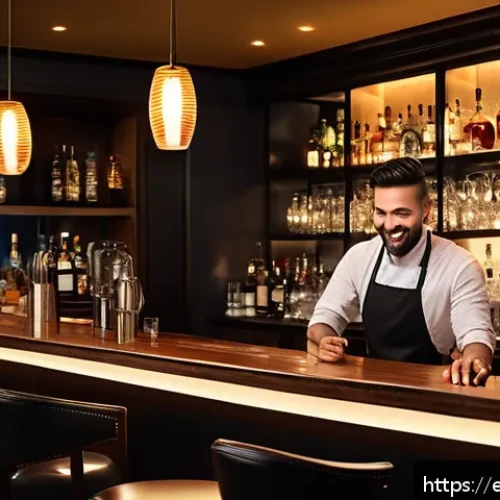
바텐더가 추천하는 실습 자료 - A cozy home bar setup featuring a polished wooden countertop with high-quality stainless steel bar t...

With the cocktail culture booming like never before, mastering mixology has become a thrilling adventure for both aspiring bartenders and home enthusiasts.

바텐더가 추천하는 실습 자료 관련 이미지 1

Whether you’re aiming to impress friends or kickstart a career behind the bar, having the right practice resources can make all the difference. As innovative tools and techniques continue to emerge, staying updated is key to refining your craft.

In this post, we’ll explore essential resources that can transform your bartending skills from basic to brilliant. Ready to shake things up and elevate your cocktail game?

Let’s dive in!

Building a Solid Foundation with Classic Cocktail Recipes

Understanding the Fundamentals of Mixology

Mastering the classics is where every bartender’s journey begins. Familiarizing yourself with staple cocktails like the Old Fashioned, Martini, and Margarita provides a strong grasp of balance, technique, and flavor profiles.

When I first started, I found that dissecting each recipe ingredient by ingredient helped me appreciate how small tweaks could dramatically change the outcome.

It’s not just about memorizing recipes; it’s about developing an intuitive sense for how spirits, mixers, and garnishes interact. This foundational knowledge becomes your toolkit for creativity later on.

Hands-On Practice: Shaking, Stirring, and Pouring

Nothing beats actually working behind the bar tools. Practicing your shaking technique with water or juice can build muscle memory without wasting expensive liquor.

I often recommend timing yourself to maintain consistent shaking duration and intensity, which affects dilution and texture. Stirring, meanwhile, requires a gentler touch and patience.

Learning to pour accurately, whether free pouring or using jiggers, sharpens your precision and speed. Over time, these practiced motions become second nature, allowing you to focus on presentation and customer interaction.

Tracking Progress with Recipe Journals

Keeping a detailed journal of every cocktail you try to make or invent is a game-changer. I personally jot down what worked, what didn’t, and any adjustments in measurements or techniques.

This habit not only accelerates learning but also helps you develop your own signature style. Plus, revisiting past entries sparks inspiration and reminds you how far you’ve come.

Digital apps or classic notebooks both work—choose what feels most natural to maintain consistency.

Advertisement

Leveraging Online Platforms and Virtual Mixology Classes

Finding Quality Video Tutorials and Masterclasses

The explosion of digital content means you can learn from top bartenders around the world without leaving your kitchen. Platforms like MasterClass, YouTube channels dedicated to mixology, and specialized sites offer step-by-step demonstrations that are easy to follow.

Personally, watching slow-motion shots of pouring and muddling clarified the subtle techniques that text alone can’t convey. When selecting a course, look for instructors who share their passion and explain the “why” behind each step, not just the “how.”

Interactive Virtual Workshops and Community Feedback

Joining live virtual workshops lets you ask questions in real time and get personalized advice. I’ve found that these interactive sessions simulate the bar environment better than pre-recorded videos, pushing you to think on your feet.

Plus, participating in online forums or social media groups focused on mixology creates a support network where you can share successes and troubleshoot challenges.

Engaging with a community accelerates growth and keeps motivation high.

Utilizing Mobile Apps for Recipe Discovery and Skill Tracking

Several apps now offer vast databases of cocktail recipes, ingredient substitutions, and tutorials. Some even provide features to track your progress or suggest drinks based on what you have at home.

From my experience, these apps are fantastic for inspiration during casual practice and for experimenting with new flavor combinations. They also encourage consistent practice by turning learning into a fun, gamified experience.

Advertisement

Investing in Quality Tools and Ingredients for Effective Practice

Choosing the Right Barware for Home Use

Starting with the basics like a sturdy shaker, bar spoon, jigger, and strainer makes a huge difference in technique and confidence. I remember upgrading from cheap plastic tools to stainless steel ones and instantly noticing improved control and durability.

Good tools don’t have to be expensive, but they should feel comfortable in your hand and be easy to clean. Investing here encourages you to practice regularly because the process feels professional and enjoyable.

Understanding Spirit Selection and Fresh Ingredients

The quality of your ingredients directly impacts the final cocktail. I’ve learned that fresh citrus, homemade syrups, and thoughtfully chosen spirits elevate even simple drinks.

Experimenting with different brands of gin or rum, for example, can teach you how each spirit’s character changes the cocktail’s profile. Keeping fresh herbs and quality bitters on hand also adds layers of complexity you won’t get from pre-made mixes.

Setting Up a Practice-Friendly Home Bar

Creating a dedicated space for your mixology practice helps maintain focus and organization. Whether it’s a small countertop or a full bar cart, having all your tools and ingredients within reach streamlines the process.

I recommend labeling bottles and grouping items by use, so you spend less time searching and more time experimenting. A well-arranged setup also makes cleanup faster, encouraging more frequent practice sessions.

Advertisement

Exploring Sensory Training and Palate Development

Training Your Sense of Taste and Smell

Improving your palate is as crucial as mastering the physical techniques. I found that regularly tasting spirits neat and smelling various bitters or herbs helped me distinguish subtle notes and aromas.

This sensory training allows you to craft cocktails that are balanced and nuanced. Simple exercises like blind tastings or comparing similar ingredients side by side sharpen your ability to identify what each component contributes.

Experimenting with Flavor Pairings and Balance

Understanding how sweet, sour, bitter, salty, and umami elements interact is key to creating memorable cocktails. I often start with a base recipe and then tweak one element at a time to see how it shifts the overall flavor.

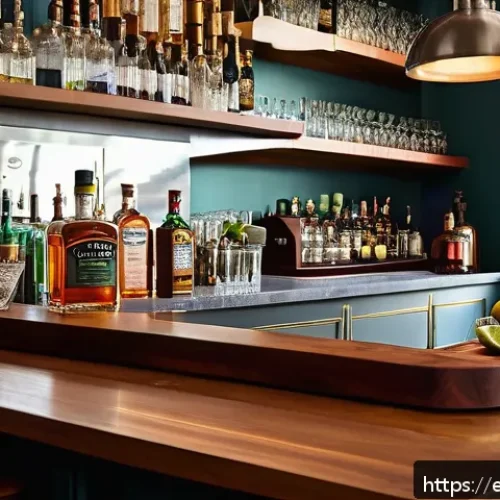
바텐더가 추천하는 실습 자료 관련 이미지 2

This hands-on experimentation teaches you the art of balance and helps you develop intuition for when a drink needs more acidity or a touch of sweetness.

Using Aroma and Garnish to Enhance Experience

A cocktail isn’t just about taste—it’s a multi-sensory experience. Learning how to use garnishes, rimming techniques, and aromatic sprays can elevate a simple drink into something extraordinary.

I’ve noticed that a fresh herb sprig or a twist of citrus peel adds an inviting fragrance that primes the palate. Paying attention to these details impresses guests and deepens your appreciation of the craft.

Advertisement

Utilizing Books and Printed Resources for Deep Knowledge

Classic and Contemporary Mixology Literature

Books remain invaluable resources for learning theory, history, and advanced techniques. I’ve spent hours poring over titles from legends like Dale DeGroff and David Wondrich, which blend storytelling with practical advice.

Printed recipes also allow you to annotate and customize based on your experiences. Reading widely broadens your perspective and grounds your practice in tradition and innovation.

Recipe Cards and Visual Guides

Having recipe cards or laminated guides on hand speeds up learning during practice. I recommend creating personalized cards with notes on timing, shaking style, and garnish tips.

Visual step-by-step guides are also helpful, especially when trying new or complicated drinks. These tools reduce frustration and help build confidence through repetition.

Incorporating Sensory and Technical Reference Charts

Reference charts that map flavor profiles, spirit types, and mixing techniques serve as quick reminders during practice. I keep a chart on my bar that categorizes spirits by taste and strength, which helps when inventing or modifying cocktails on the fly.

These visual aids save time and deepen your understanding of how ingredients relate.

Advertisement

Tracking Progress and Setting Practical Goals

Creating a Structured Practice Schedule

Consistency is key when honing bartending skills. I found that dedicating specific times each week to practice particular techniques or recipes keeps progress steady.

Setting achievable goals—like mastering a new cocktail every week or perfecting a garnish technique—breaks down the learning process into manageable steps.

This approach prevents overwhelm and keeps the journey enjoyable.

Recording and Reviewing Performance

Video recording your practice sessions or seeking feedback from friends helps identify areas for improvement. Watching yourself shake or pour reveals habits you might not notice otherwise.

I’ve learned that even small tweaks in posture or hand positioning can make a big difference in efficiency and presentation.

Celebrating Milestones and Experimentation

Recognizing your progress, whether by successfully hosting a cocktail night or creating an original recipe, fuels motivation. Don’t be afraid to experiment and sometimes fail—that’s where real growth happens.

Sharing your creations with others and getting their reactions adds a rewarding social element to your practice.

Resource Type Benefits Recommended Usage
Classic Cocktail Books In-depth knowledge, historical context, expert tips Read regularly, annotate, and reference during practice
Online Video Tutorials Visual demonstration, step-by-step guidance Watch before practice, replay tricky techniques
Mobile Mixology Apps Recipe discovery, progress tracking, ingredient suggestions Use for inspiration and daily practice
Virtual Workshops Interactive learning, real-time feedback, community Join monthly or as schedule allows
Quality Bar Tools Improved technique, professional feel, durability Invest early, maintain properly
Practice Journals Track progress, record experiments, personalize learning Update after every session
Advertisement

In Conclusion

Building a strong foundation with classic cocktail recipes sets the stage for a rewarding mixology journey. By combining hands-on practice, quality tools, and continuous learning through various resources, you develop both skill and creativity. Remember, patience and consistent effort will transform your cocktail crafting from a hobby into an art form. Embrace experimentation and enjoy the process—each step brings you closer to mastery.

Advertisement

Helpful Tips to Keep in Mind

1. Start simple by mastering a few classic cocktails before exploring complex recipes. This builds confidence and a solid understanding of flavor balance.

2. Use digital resources like video tutorials and mobile apps to supplement your practice and discover new techniques at your own pace.

3. Invest in durable, comfortable bar tools that encourage regular use and improve your technique over time.

4. Keep a detailed practice journal to track your progress, note adjustments, and inspire creativity in your cocktail experiments.

5. Engage with online communities or virtual workshops to gain feedback, share ideas, and stay motivated throughout your learning journey.

Advertisement

Key Takeaways

Consistent practice combined with a deep understanding of ingredients and techniques is essential for success in mixology. Prioritizing quality tools and fresh ingredients enhances both the process and the final product. Leveraging diverse learning platforms, from books to virtual classes, broadens your skills and keeps your approach fresh. Finally, tracking your progress and setting clear goals ensures steady improvement and long-term enjoyment in crafting cocktails.

Frequently Asked Questions (FAQ) 📖

Q: uestionsQ1: What are the best resources for beginners to learn mixology at home?

A: For those just starting out, I found that a combination of well-structured online courses and hands-on practice makes a huge difference. Platforms like MasterClass and Udemy offer beginner-friendly tutorials that cover the basics, from understanding spirits to mastering essential techniques like shaking and stirring.
Additionally, investing in a good recipe book, such as “The Bar Book” by Jeffrey Morgenthaler, helps build a solid foundation. Don’t underestimate the value of experimenting with simple cocktails and watching tutorial videos on YouTube to see real-time demonstrations.
Practicing consistently with these tools will boost both confidence and skill.

Q: How can I keep up with the latest trends and innovations in cocktail culture?

A: Staying updated is easier than ever thanks to social media and industry events. Following influential bartenders and cocktail bars on Instagram or TikTok gives a daily dose of inspiration and new recipes.
Subscribing to cocktail magazines like “Imbibe” or joining online communities such as r/cocktails on Reddit provides deeper insights into emerging trends.
Attending local cocktail festivals or workshops also offers firsthand experience with new ingredients and techniques. Personally, I set aside time each week to read blogs and watch videos from top mixologists, which keeps my approach fresh and creative.

Q: What tools and equipment are essential for improving bartending skills effectively?

A: From my experience, having the right tools makes practice both more enjoyable and effective. A quality shaker set, including a Boston shaker or cobbler shaker, is fundamental for mastering mixing.
A good jigger ensures precise measurements, which is crucial for balancing flavors. Other essentials include a muddler, bar spoon, fine strainer, and a sturdy mixing glass.
Over time, upgrading to professional-grade tools can enhance the experience, but starting with a reliable beginner kit is perfectly fine. Remember, the key is consistent practice using these tools to develop muscle memory and technique.

📚 References


➤ Link

– Google Search

➤ Link

– Bing Search

➤ Link

– Google Search

➤ Link

– Bing Search

➤ Link

– Google Search

➤ Link

– Bing Search

➤ Link

– Google Search

➤ Link

– Bing Search

➤ Link

– Google Search

➤ Link

– Bing Search

➤ Link

– Google Search

➤ Link

– Bing Search

➤ Link

– Google Search

➤ Link

– Bing Search
Advertisement