Essential Factors to Consider Before Choosing a Career as a Bartender in Today’s Hospitality Industry

webmaster

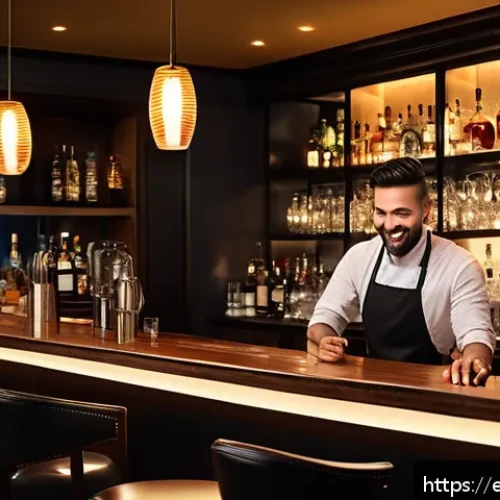
바텐더 직업 선택 시 고려해야 할 점 - A bustling upscale cocktail bar interior at night, featuring a professional bartender in smart attir...

Navigating a career in hospitality today means understanding more than just the basics—it’s about adapting to an industry that’s constantly evolving. With post-pandemic shifts, rising customer expectations, and a growing emphasis on mixology skills, choosing to become a bartender requires careful thought.

바텐더 직업 선택 시 고려해야 할 점 관련 이미지 1

Whether you’re drawn to the vibrant nightlife or the art of crafting unique drinks, knowing what lies ahead can make all the difference. Let’s explore the essential factors that can shape your success and satisfaction behind the bar.

Stick around if you’re ready to dive deep into what it truly takes to thrive in this dynamic field.

Understanding the Physical and Mental Demands of Bartending

Endurance and Stamina Behind the Bar

Working as a bartender is far from a sedentary job. It involves long hours on your feet, often in crowded, noisy environments that can be physically taxing.

Personally, I found that the first few weeks were the toughest, adjusting to the constant movement and fast pace. You’ll need to build up stamina to keep up with back-to-back shifts without burning out.

Remember, it’s not just about standing; it’s about moving quickly, lifting heavy kegs or boxes, and maintaining energy even during the busiest nights.

If you’re someone who thrives in active, high-energy settings, bartending can be a rewarding challenge.

Handling Stress and Multitasking Like a Pro

One thing that caught me off guard early on was the mental juggling act required behind the bar. You’re not only crafting cocktails but also managing orders, dealing with demanding customers, and keeping an eye on stock levels—all at the same time.

Stress management becomes a survival skill. Learning to stay calm under pressure and prioritize tasks will save you from feeling overwhelmed. Over time, I developed small tricks, like mentally grouping drink orders or using silent cues with my team, to keep the workflow smooth.

If multitasking and quick thinking excite you rather than intimidate you, bartending might be your ideal playground.

Emotional Intelligence and Customer Interaction

Being a bartender means wearing the hat of a friendly face, a good listener, and sometimes even an informal counselor. I noticed that the best bartenders aren’t just skilled with drinks but are masters at reading moods and adapting their approach.

Knowing when to engage in light banter or when to give someone space is key. Developing emotional intelligence helps build rapport and repeat clientele, which is ultimately good for your tips and reputation.

If you enjoy connecting with people and can handle emotional ups and downs gracefully, this aspect of bartending will likely bring you a lot of satisfaction.

Advertisement

Essential Skills for Crafting Exceptional Cocktails

Mastering Classic and Contemporary Mixology

The art of mixing drinks has evolved tremendously, and today’s bartenders need to be well-versed in both timeless classics and modern innovations. Early in my career, I focused heavily on perfecting staples like the Old Fashioned or Martini, but as trends shifted, I had to learn about craft cocktails featuring unusual ingredients and techniques like infusions or molecular mixology.

Continuous learning is vital. Taking mixology courses or experimenting during downtime helped me stay ahead. If you have a passion for flavors and creativity, mixology offers a canvas to express that while delighting customers.

Speed and Precision Under Pressure

While creativity matters, speed and accuracy are just as critical. I’ve worked in bars where the rush hour meant serving dozens of drinks per minute, and any slip-up could mean wasted ingredients or unhappy customers.

Developing muscle memory for measuring, shaking, and garnishing efficiently is a game-changer. Practice and repetition helped me turn these movements into second nature, freeing mental space to engage with guests.

If you enjoy refining skills to a high level of precision and thrive in fast-paced environments, this will be one of the most rewarding parts of bartending.

Staying Updated with Trends and Ingredients

Trends in the bar scene shift quickly—from craft spirits and non-alcoholic options to sustainable and locally sourced ingredients. I found that following industry news, attending tastings, and networking with other bartenders kept me inspired and informed.

This knowledge not only improves your drink menu but also makes you a valuable asset to your employer. Being able to recommend new drinks or customize options based on current trends can boost your tip potential and customer satisfaction.

If you love staying curious and evolving your repertoire, this dynamic aspect will keep your job exciting.

Advertisement

Evaluating Career Growth and Financial Prospects

Understanding Hourly Wages and Tips

Bartending pay varies widely depending on location, venue type, and clientele. In big cities like New York or Los Angeles, base wages tend to be higher, but so are living costs.

Tips often form the bulk of a bartender’s income, and they can fluctuate nightly. From my experience, working in high-end establishments or trendy cocktail bars generally leads to better tips, but it also requires a higher skill level and professionalism.

It’s wise to research local markets and venues before committing. Financially, bartending can be lucrative, but it demands consistent effort and customer engagement.

Opportunities for Advancement and Specialization

Bartending isn’t a dead-end job if you’re ambitious. Many bartenders move into roles such as bar manager, beverage director, or even open their own bars.

Specializing in areas like craft cocktails, wine, or spirits education can open doors to consulting or brand ambassador positions. I’ve seen colleagues transition into event hosting or creating signature drink lines for brands.

These paths often come with increased responsibility and higher pay but require dedication and networking. If you aim to build a long-term career in hospitality, consider how bartending fits into your broader goals.

Balancing Work Hours with Lifestyle

Shift work, late nights, and weekend hours are part and parcel of bartending. Early in my career, the irregular schedule was a shock to my social life and sleep patterns.

Over time, I learned to prioritize rest and plan personal time around shifts. Some bartenders thrive in nightlife culture, while others find it challenging to maintain a healthy work-life balance.

If you value flexibility and don’t mind working evenings or holidays, bartending can offer that freedom. However, it’s important to assess how this lifestyle aligns with your personal priorities before diving in.

Advertisement

Impact of Location and Venue Type on Bartending Experience

High-End Cocktail Bars vs. Casual Pubs

The environment you choose to work in shapes your daily experience profoundly. Upscale cocktail bars often demand polished presentation, deep product knowledge, and a focus on customer service finesse.

Casual pubs may be more relaxed but busier with a different crowd and faster drink turnover. From my perspective, working in a high-end venue sharpened my technical skills and taught me about luxury service, while pubs honed my ability to work quickly and handle diverse clientele.

Each has unique rewards and challenges, so consider what vibe fits you best.

Urban Nightlife vs. Resort and Destination Bars

Bartending in a bustling city bar differs greatly from working in a resort or tourist-heavy destination. City bars tend to have regular customers and a competitive scene, while resort bars offer a more seasonal, transient crowd.

I’ve had the chance to work in both settings and noticed how the pace, drink menus, and guest expectations vary. Resorts may emphasize relaxation and fun, often with tropical or themed cocktails, while urban bars push creativity and trendiness.

Your choice depends on whether you prefer a fast-paced, ever-changing environment or a more laid-back atmosphere.

Influence of Local Laws and Regulations

Alcohol service laws, licensing, and health regulations differ widely by state and country, impacting how you work as a bartender. For example, some places have strict ID checking rules or limits on drink sizes, while others encourage craft cocktail innovation with fewer restrictions.

Understanding these rules not only keeps you compliant but helps avoid legal trouble. In my experience, staying informed about local regulations became second nature, especially when working in multiple venues or cities.

This knowledge is crucial to protect yourself and your employer.

Advertisement

Building a Personal Brand and Clientele Behind the Bar

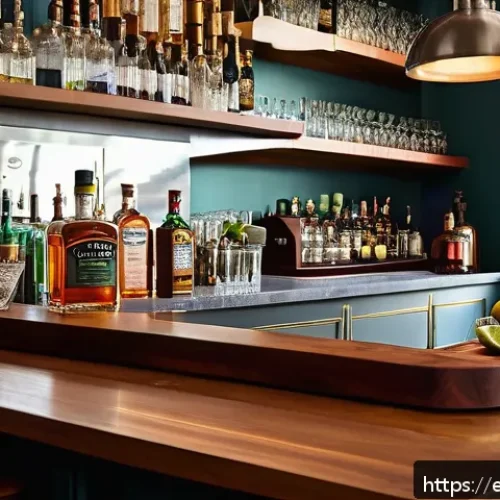
바텐더 직업 선택 시 고려해야 할 점 관련 이미지 2

Creating a Memorable Customer Experience

Beyond making great drinks, building relationships with customers is what keeps bartenders busy and well-tipped. I learned early on that remembering names, favorite drinks, and personal stories made guests feel valued and eager to return.

This personal touch often turns one-time visitors into regulars. Developing a unique style or specialty drink also helps you stand out. If you enjoy connecting with people and have a flair for hospitality, this part of bartending offers immense personal satisfaction and financial reward.

Utilizing Social Media to Grow Your Presence

In today’s digital age, many bartenders use social media platforms to showcase their skills and attract followers. Sharing cocktail recipes, behind-the-scenes moments, or live demonstrations can build your personal brand and open new opportunities.

I started posting my creations on Instagram and noticed how it led to freelance gigs and invitations to industry events. Social media can be a powerful tool if used authentically and consistently.

If you’re comfortable with online engagement, this can significantly boost your career trajectory.

Networking Within the Hospitality Community

Forming connections with other bartenders, suppliers, and industry professionals is invaluable. I found that attending local bartending competitions, workshops, or trade shows expanded my knowledge and opened doors to new jobs or collaborations.

Networking also provides support and inspiration, which is crucial in a demanding field. Building a solid network can lead to mentorship opportunities and insider tips on the latest trends or openings.

If you’re proactive about community involvement, your career will benefit tremendously.

Advertisement

Health and Safety Considerations in Bartending

Managing Alcohol Consumption Responsibly

Bartenders face the unique challenge of working with alcohol all day, which can sometimes lead to unhealthy habits if not managed carefully. I made it a point to separate my work life from personal drinking to maintain my wellbeing.

Responsible service also means recognizing signs of intoxication and intervening appropriately to keep customers safe. Training in responsible alcohol service is often mandatory and helps protect both staff and patrons.

If you value health and safety, developing these habits early is essential for a sustainable career.

Maintaining Hygiene and Cleanliness Standards

Keeping the bar clean and sanitary isn’t just about appearances—it’s a critical health requirement. I learned that constant wiping, proper glasswashing, and organized workstation practices reduce the risk of contamination and ensure customer trust.

During the pandemic, these standards became even more stringent, with added focus on sanitizers and personal protective equipment. A clean bar reflects professionalism and care, which customers notice and appreciate.

If you take pride in your workspace, this aspect will come naturally.

Preventing Workplace Injuries and Fatigue

The physical demands of bartending can lead to repetitive strain injuries or accidents if precautions aren’t taken. I started using ergonomic mats and proper lifting techniques to ease the strain on my back and wrists.

Taking short breaks when possible and staying hydrated also helped me avoid fatigue during long shifts. Employers who prioritize staff safety tend to have better retention and morale.

If you’re aware of these risks and proactive about prevention, you’ll enjoy a longer, healthier career behind the bar.

Advertisement

Key Factors in Choosing the Right Bartending Job

Assessing the Work Environment and Team Culture

The vibe of the bar and your coworkers can make or break your job satisfaction. I once worked in a place with a toxic atmosphere, which made every shift draining despite good pay.

Conversely, a supportive team that communicates well and shares the workload creates a positive daily experience. When looking for a bartending job, try to get a feel for the management style and team dynamics.

Happy coworkers often translate to better service and a more enjoyable workday.

Evaluating Training and Development Opportunities

Some employers invest heavily in training their bartenders, offering mixology courses, customer service workshops, and career development programs. I benefited greatly from such programs early in my career, which accelerated my skill growth and confidence.

On the other hand, some venues expect you to learn on the job with minimal guidance. Choosing a workplace that supports your learning goals can impact your progression and job satisfaction significantly.

Considering Location, Hours, and Commute

Practical factors like the bar’s location, your shift hours, and commute time play a big role in your overall happiness. I once took a great job that was an hour commute each way, and it quickly drained my energy and enthusiasm.

Finding a balance between convenience and opportunity is important. If the venue is close to your home or public transit, it can reduce stress and improve work-life balance.

Don’t overlook these details when evaluating potential bartending jobs.

Factor Considerations Personal Insight
Physical Demands Long hours standing, fast pace, heavy lifting Build stamina gradually; stay active outside work
Skill Requirements Mixology knowledge, speed, multitasking Practice classic and trendy drinks; learn time management
Financials Wages + tips, location differences, advancement High-end venues often tip better but expect professionalism
Work Environment Venue type, team culture, customer base Positive team boosts morale and service quality
Health & Safety Responsible alcohol service, hygiene, injury prevention Prioritize self-care and cleanliness to avoid burnout
Career Growth Training, networking, social media presence Continuous learning and connections open doors
Advertisement

In Conclusion

Bartending is a demanding yet rewarding profession that blends physical endurance, mental agility, and emotional intelligence. Success behind the bar comes from continuous learning, building meaningful customer connections, and adapting to diverse environments. Whether you’re mixing classic cocktails or managing a busy shift, the skills you develop can open many doors in hospitality. Embracing these challenges with passion and professionalism will make your bartending journey both fulfilling and sustainable.

Advertisement

Helpful Tips to Remember

1. Prioritize building stamina gradually to handle the physical demands of bartending without burnout.

2. Master multitasking and stress management techniques to maintain efficiency during busy hours.

3. Keep your cocktail knowledge fresh by exploring both classic recipes and emerging trends.

4. Foster strong customer relationships to enhance your reputation and increase tips.

5. Stay informed about local laws and maintain high standards of hygiene and safety at all times.

Advertisement

Key Takeaways for Aspiring Bartenders

Choosing the right bartending job involves evaluating the work environment, team culture, and available training opportunities. Developing a personal brand through genuine customer interaction and social media can accelerate career growth. Balancing physical demands with health-conscious habits ensures longevity in this fast-paced field. Ultimately, success hinges on continuous skill development, adaptability, and maintaining a positive attitude even under pressure.

Frequently Asked Questions (FAQ) 📖

Q: uestionsQ1: What skills are most important for a bartender to succeed in today’s hospitality industry?

A: Beyond knowing how to mix drinks, successful bartenders today must excel in customer service, multitasking, and adaptability. With rising customer expectations, being able to create personalized experiences and handle busy shifts smoothly is crucial.
I’ve noticed that bartenders who master mixology techniques while engaging warmly with guests tend to build loyal followings and enjoy their work more.

Q: How has the post-pandemic environment changed the bartending profession?

A: The pandemic shifted how bars operate, emphasizing hygiene, contactless service, and outdoor seating. Bartenders now often juggle new safety protocols alongside their regular duties.
Personally, I’ve seen bartenders adapt by learning new tech tools and focusing more on creating unique cocktails that draw customers back, turning challenges into opportunities for creativity and connection.

Q: Is bartending a good long-term career choice, or is it just a stepping stone?

A: It really depends on your goals and passion. For some, bartending is a fun, dynamic way to earn while exploring hospitality, eventually moving into management or other fields.
For others, it’s a fulfilling career where they continuously grow their craft and build relationships. From my experience, if you love the fast-paced environment and genuine human interaction, bartending can be both rewarding and sustainable long term.

📚 References


➤ Link

– Google Search

➤ Link

– Bing Search

➤ Link

– Google Search

➤ Link

– Bing Search

➤ Link

– Google Search

➤ Link

– Bing Search

➤ Link

– Google Search

➤ Link

– Bing Search

➤ Link

– Google Search

➤ Link

– Bing Search

➤ Link

– Google Search

➤ Link

– Bing Search

➤ Link

– Google Search

➤ Link

– Bing Search

➤ Link

– Google Search

➤ Link

– Bing Search