Unlock Your Mixology Potential: A Comprehensive Guide to Bartender Training Programs

webmaster

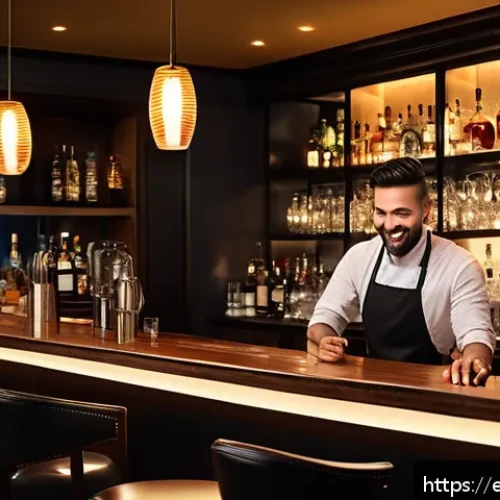
바텐더 교육 과정 소개 - A professional bartender in a modern upscale bar setting, skillfully shaking a cocktail shaker with ...

In today’s ever-evolving hospitality scene, mastering bartending skills has become more than just mixing drinks—it’s about crafting unforgettable experiences.

바텐더 교육 과정 소개 관련 이미지 1

With the rise of cocktail culture and innovative beverage trends, bartender training programs are gaining unprecedented attention. Whether you’re aiming to kickstart a career behind the bar or elevate your existing skills, understanding these programs can unlock new creative potentials.

Join me as we dive into how structured training can transform your approach to mixology, turning passion into expertise and opportunity. Let’s shake things up and explore the pathways to becoming a standout bartender in this dynamic industry.

Essential Techniques Every Bartender Should Master

Foundational Mixology Skills

Building a solid foundation in bartending starts with mastering the basics. This includes understanding the proper way to measure and pour spirits, learning the art of shaking and stirring cocktails, and becoming proficient with tools like the jigger, shaker, muddler, and strainer.

From my own experience, nailing these techniques early on not only speeds up service but also improves the consistency of every drink you serve. When you can confidently execute these fundamentals, you create a reliable baseline that allows for creativity without sacrificing quality or speed.

Advanced Garnishing and Presentation

Presentation goes hand in hand with taste in the world of cocktails. Training programs emphasize the importance of garnishing techniques — think fresh herbs, citrus twists, edible flowers, and even smoke effects.

These details elevate a drink from ordinary to memorable. I’ve noticed that customers often remember the visual appeal just as much as the flavor, so investing time in learning elegant garnishing skills is a game changer.

It’s not just about looks, though; garnishes can enhance aroma and flavor, turning a simple cocktail into a multi-sensory experience.

Speed and Efficiency Behind the Bar

Efficiency is critical, especially during busy nights. Bartender training teaches how to work smart: organizing your station, batching ingredients, and developing muscle memory for common pours and mixes.

When I trained under seasoned bartenders, I realized how much thought goes into minimizing wasted motion and avoiding bottlenecks. This skill isn’t just about speed; it’s about maintaining composure and accuracy under pressure.

Ultimately, mastering speed and efficiency leads to happier customers and a more enjoyable work environment.

Advertisement

Understanding Ingredients and Flavor Profiles

Exploring Spirit Categories

A key part of bartender education is getting familiar with the vast world of spirits—whiskeys, gins, vodkas, tequilas, rums, and more. Each category has its own history, production methods, and flavor nuances.

When I first dove deep into this, it completely changed how I approached cocktail creation. Knowing why a particular whiskey has smoky notes or why a gin has floral undertones helps you pair ingredients thoughtfully rather than just following recipes blindly.

This knowledge makes your cocktails stand out and gives you confidence when recommending drinks to guests.

Balancing Sweetness, Acidity, and Bitterness

Crafting a balanced cocktail is an art form that hinges on the interplay of sweetness, acidity, and bitterness. Training programs often include flavor theory workshops, helping bartenders understand how to adjust these elements.

For example, if a cocktail tastes too sharp, adding a touch of simple syrup can smooth it out. Conversely, too much sweetness might be balanced with fresh lemon or lime juice.

I’ve found that practicing this balance by taste-testing and tweaking recipes develops an intuitive sense that’s invaluable during busy service times.

Incorporating Fresh and Seasonal Ingredients

Seasonality isn’t just a buzzword; it’s a powerful way to elevate cocktails. Many bartending courses encourage the use of fresh herbs, fruits, and spices, which can transform a drink’s profile with vibrant, natural flavors.

Personally, I love swapping out standard ingredients for whatever’s fresh—like using local berries in summer or warming spices in winter. This approach not only impresses customers but also keeps your offerings dynamic and aligned with current trends.

Advertisement

How Bartender Training Programs Structure Learning

Modular Learning and Skill Progression

Most reputable training programs break down their curriculum into modules that build progressively. Starting with the basics—tools, measurements, and simple recipes—then moving onto advanced mixology, flair bartending, and customer service skills.

This staged approach helps students absorb information without feeling overwhelmed. From my perspective, having clear milestones and feedback loops during training encourages steady improvement and boosts confidence before stepping into a real bar setting.

Hands-On Practice and Real-Life Simulations

Theory is important, but nothing beats hands-on experience. Effective programs incorporate practical sessions where trainees mix cocktails under timed conditions or role-play customer interactions.

I remember that simulating a busy bar environment during training was invaluable—it prepared me for the chaos of real shifts while teaching me how to keep calm and efficient.

This method of learning helps embed skills deeply and reduces the anxiety often felt by newcomers.

Mentorship and Continuous Learning

Training doesn’t stop once the formal course ends. Many programs offer ongoing mentorship or access to alumni communities. Having a mentor to answer questions or provide career advice makes a huge difference in long-term development.

Personally, having someone experienced to turn to helped me navigate challenges and stay motivated. Continuous learning through workshops, tastings, and industry events keeps bartenders sharp and ready for evolving trends.

Advertisement

The Role of Customer Service in Bartending Success

Building Rapport and Reading Guests

Bartending is as much about people as it is about drinks. Training emphasizes interpersonal skills—how to greet guests warmly, read their mood, and tailor recommendations accordingly.

From working behind the bar, I’ve realized that a genuine connection can turn a one-time visitor into a regular. Learning to listen actively and engage authentically creates memorable experiences that go beyond the cocktail itself.

Handling Difficult Situations with Grace

No matter how skilled you are at mixing drinks, difficult guests or stressful situations are inevitable. Bartender education often includes conflict resolution techniques and strategies for managing intoxicated patrons safely.

I’ve faced moments where staying calm and professional was crucial to diffusing tension. These skills protect the bar’s atmosphere and your personal well-being, making them essential for long-term success.

Upselling and Enhancing the Guest Experience

Effective bartenders know how to boost sales without sounding pushy. Training covers subtle upselling tactics, like suggesting premium spirits or pairing cocktails with small bites.

In my experience, framing recommendations as enhancements rather than hard sells resonates better with customers. This approach not only increases revenue but also enriches the overall experience, leaving guests feeling valued and well cared for.

Advertisement

Exploring Career Paths Through Certification and Specialization

Certification Levels and Their Impact

Bartender certifications vary widely, from beginner to master levels. Each tier validates specific skill sets and often opens doors to better job opportunities or higher pay.

When I earned my certification, it gave me credibility and confidence in job interviews. Employers appreciate verified skills, which can fast-track your career advancement or entry into prestigious venues.

Specializations: Craft Cocktails, Flair, and Bar Management

Beyond general bartending, many training programs offer specialization tracks. Craft cocktail courses focus on creative recipe development and ingredient sourcing, while flair bartending hones showmanship and entertainment skills.

Bar management training prepares bartenders for leadership roles by teaching inventory control, staff scheduling, and budgeting. I found that exploring these niches helped me identify where my passion truly lay and shaped my career path accordingly.

Networking Opportunities and Industry Connections

Training programs often provide access to industry events, competitions, and networking mixers. These platforms are invaluable for meeting peers, mentors, and potential employers.

Personally, attending such events helped me stay updated on trends and discover unique job openings. Building a strong network within the bartending community can lead to collaborations, freelance gigs, or invitations to exclusive bars and events.

Advertisement

Tools and Technology Shaping Modern Bartending

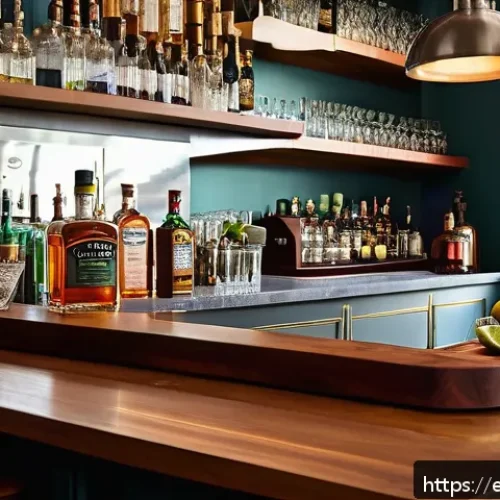
바텐더 교육 과정 소개 관련 이미지 2

Innovations in Bar Equipment

From precision scales to automated cocktail dispensers, technology is transforming bartending. Training programs introduce students to these innovations, highlighting how they improve consistency and speed.

I remember being amazed at how digital tools can track inventory in real time or help create perfectly balanced drinks with minimal waste. Embracing these advancements keeps bartenders competitive and efficient.

Using Apps and Software for Inventory and Ordering

Managing stock and orders can be a headache, but modern software simplifies these tasks. Many training curricula cover popular bar management apps that track usage, forecast demand, and streamline supplier communication.

My experience showed me that mastering these tools reduces errors and saves time, allowing more focus on customer service and creativity behind the bar.

Leveraging Social Media and Branding

A modern bartender’s role often extends to personal branding and social media presence. Programs now emphasize how to showcase your skills and personality online, attracting followers and potential employers.

Sharing cocktail recipes, behind-the-scenes videos, or event highlights can build your reputation. From my journey, actively engaging on platforms like Instagram and TikTok opened doors I hadn’t anticipated, including collaborations and sponsored opportunities.

Training Focus Key Benefits Typical Duration Ideal For
Basic Mixology Foundational skills, speed, consistency 2-4 weeks Beginners, career starters
Advanced Techniques Creative cocktails, garnishing, flavor balance 4-6 weeks Experienced bartenders, hobbyists
Customer Service & Management Guest relations, conflict resolution, leadership 3-5 weeks Future managers, team leaders
Specializations Flair, craft cocktails, bar management Varies (1-3 months) Career advancement, niche skills
Technology & Branding Inventory software, social media marketing 1-2 weeks Modern bartenders, entrepreneurs
Advertisement

Building Confidence Through Practice and Feedback

The Importance of Repetition

Confidence behind the bar doesn’t come overnight; it’s built through repeated practice. Training programs encourage trainees to practice pouring, shaking, and garnishing repeatedly to develop muscle memory.

I can attest that the more you practice, the more natural the movements become, allowing you to multitask effortlessly during busy service times. This repetition reduces mistakes and lets you focus on engaging with customers rather than worrying about technique.

Constructive Criticism and Self-Assessment

Receiving feedback is crucial for growth. Good programs provide structured critique from instructors and peers, helping you identify areas for improvement.

I found that embracing feedback, rather than fearing it, accelerated my development dramatically. Additionally, learning to self-assess—recording yourself or reflecting after shifts—builds self-awareness, which is key to continuous improvement.

Simulating Real Bar Environments

Nothing prepares you better than simulating the pressures of a real bar. Many programs incorporate timed drills, mock service sessions, and teamwork exercises.

This approach helps trainees learn to manage stress, prioritize tasks, and maintain quality under pressure. From personal experience, these realistic scenarios made my first real shifts less daunting and more manageable.

Advertisement

Staying Ahead: Trends and Continuing Education

Keeping Up with Industry Innovations

The cocktail world is always evolving, with new ingredients, techniques, and customer preferences emerging regularly. Successful bartenders stay curious and proactive about learning.

Training programs often update their content to reflect current trends, but it’s up to the individual to keep exploring. I make it a habit to attend tastings and read industry publications, which keeps my skills fresh and relevant.

Participating in Competitions and Workshops

Competitions push you to refine your craft and get noticed. Workshops provide hands-on learning from industry leaders. Both are excellent ways to challenge yourself and stay motivated.

Competing was intimidating at first, but it boosted my creativity and confidence tremendously. Plus, the camaraderie and networking opportunities are invaluable.

Embracing Sustainability and Ethical Practices

Sustainability is no longer optional in hospitality. Many programs now include modules on reducing waste, sourcing ethically, and promoting eco-friendly practices.

I’ve seen how integrating these values resonates with customers and adds meaning to the craft. From choosing reusable straws to creating zero-waste cocktails, adopting sustainable habits is becoming a hallmark of modern bartenders.

Advertisement

Creating Your Personal Brand as a Bartender

Defining Your Style and Signature Cocktails

A unique personal brand helps you stand out in a crowded industry. Developing signature cocktails that reflect your taste and personality is a great way to express creativity.

I spent time experimenting until I found recipes that felt authentic to me, which later became crowd favorites. This signature touch makes you memorable and can boost your professional profile.

Building a Social Media Presence

Social media is a powerful tool for showcasing your skills and connecting with a wider audience. Sharing photos, videos, and stories about your bartending journey creates engagement and opportunities.

I’ve found that authentic, behind-the-scenes content resonates most, helping to build a loyal following and attract potential employers or collaborators.

Networking and Collaboration

Your network is your net worth in bartending. Attending industry events, collaborating with other professionals, and maintaining relationships open doors to new gigs and projects.

I’ve benefited greatly from collaborations that pushed me creatively and professionally. Building a strong, supportive network can accelerate your career and enrich your work life.

Advertisement

Conclusion

Mastering the art of bartending requires dedication to both craft and customer experience. From foundational techniques to advanced skills and personal branding, each element plays a vital role in shaping a successful career. Continuous learning and adapting to industry trends ensure you stay relevant and confident behind the bar. Embrace every opportunity to grow, and your passion will shine through in every drink you serve.

Helpful Information

1. Consistent practice is key to building muscle memory and improving speed behind the bar.

2. Understanding flavor profiles enhances your ability to create balanced and memorable cocktails.

3. Soft skills like customer rapport and conflict resolution are just as important as technical expertise.

4. Leveraging technology and social media can boost your efficiency and personal brand.

5. Networking within the industry opens doors to career advancement and unique opportunities.

Key Takeaways

Develop a strong foundation by mastering essential bartending techniques, then build on this with creativity and advanced skills. Prioritize customer engagement and service excellence to create lasting impressions. Stay current with trends and technology to maintain a competitive edge. Finally, invest in continuous education and networking to unlock new career paths and elevate your professional presence.

Frequently Asked Questions (FAQ) 📖

Q: uestions about Bartender Training ProgramsQ1: What are the key benefits of enrolling in a bartender training program?

A: Enrolling in a bartender training program offers a solid foundation in both the art and science of mixology. Beyond learning how to make classic and modern cocktails, you gain hands-on experience with bar tools, understand flavor profiles, and develop customer service skills that are essential in hospitality.
From my own experience, structured training accelerated my confidence behind the bar, enabling me to handle busy shifts smoothly and create unique drinks that keep customers coming back.
These programs also often cover important topics like responsible alcohol service and health regulations, making you a well-rounded professional ready for any bar environment.

Q: How long does it typically take to complete a bartender training course?

A: The duration of bartender training courses varies widely depending on the depth and format. Some intensive boot camps can last just a few days to a week, focusing on practical skills and essential knowledge.
More comprehensive programs might stretch over several weeks or months, including advanced mixology, cocktail history, and even business management for bar owners.
When I took a week-long course, it was enough to get me started, but continued practice and on-the-job learning were crucial to truly mastering the craft.
Choosing the right program depends on your goals and available time, but even short courses can provide a valuable launchpad.

Q: Can bartender training programs help me get hired faster in the hospitality industry?

A: Absolutely. Completing a recognized bartender training program signals to employers that you’re serious about your craft and come equipped with practical skills.
Many programs offer certification, which can give you an edge over other candidates who lack formal training. From what I’ve seen, bars and restaurants appreciate candidates who not only know how to mix drinks but also understand customer interaction, safety protocols, and inventory management.
Plus, some training providers have industry connections or job placement assistance, which can open doors to better opportunities faster than going in cold.
It’s a smart investment if you want to stand out in a competitive job market.

📚 References


➤ Link

– Google Search

➤ Link

– Bing Search

➤ Link

– Google Search

➤ Link

– Bing Search

➤ Link

– Google Search

➤ Link

– Bing Search

➤ Link

– Google Search

➤ Link

– Bing Search

➤ Link

– Google Search

➤ Link

– Bing Search

➤ Link

– Google Search

➤ Link

– Bing Search

➤ Link

– Google Search

➤ Link

– Bing Search

➤ Link

– Google Search

➤ Link

– Bing Search

➤ Link

– Google Search

➤ Link

– Bing Search

➤ Link

– Google Search

➤ Link

– Bing Search